


- 05 October, 2026
- 9
- 0
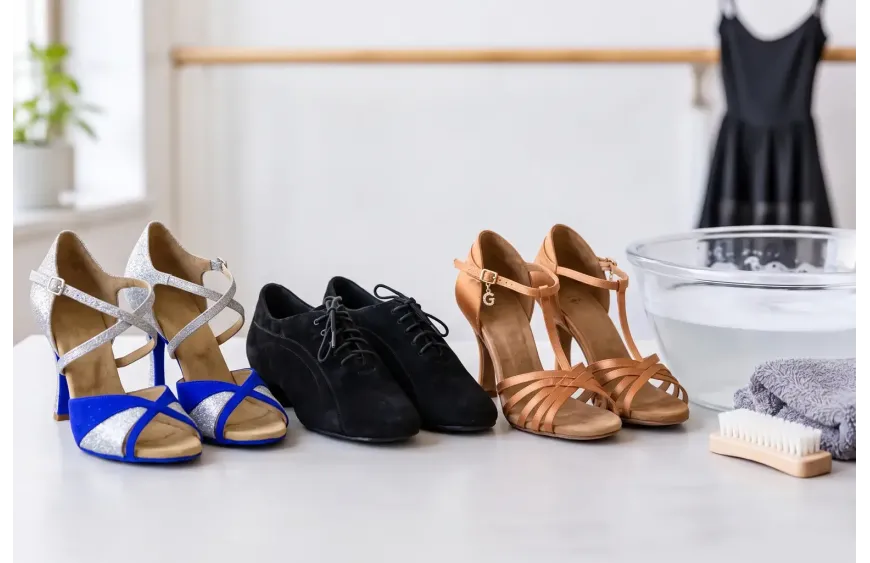
A quick rinse after a sweaty class can sound harmless, especially when your shoes are starting to smell less than fresh. But are dance shoes washable? For most ballroom, Latin, and performance shoes, the answer is no - at least not in the washing-machine sense. Water, heat, and detergent can change the fit, weaken adhesives, mark delicate uppers, and ruin the suede soles dancers rely on for controlled movement.
The right cleaning method depends on what your shoes are made from and how you use them. A canvas ballet slipper has very different care needs from a rhinestoned Latin sandal, a leather ballroom shoe, or a flexible practice sneaker. Clean gently, dry patiently, and save full washing for the rare styles whose manufacturer specifically says it is safe.
Are Dance Shoes Washable? Usually Not in a Machine
Dance shoes are built for movement, not for a spin cycle. Their construction often combines soft leather or satin, glued layers, specialized linings, flexible shanks, heel components, and suede outsoles. A washing machine can saturate those materials and twist the shoe while it tumbles. Even if the pair looks fine afterward, it may no longer support your foot or move predictably on the floor.
Dryers are an even bigger concern. High heat can shrink fabric, harden leather, loosen glued sections, warp heel cups, and cause crystals or decorative details to detach. Never place dance shoes on a radiator, heat vent, or in direct strong sunlight to speed up drying, either.
There are exceptions. Some basic canvas ballet slippers and certain fabric dance sneakers may be washable, but only when their care label or manufacturer instructions allow it. If the label does not clearly approve machine washing, treat the shoe as hand-clean or spot-clean only.
Match the Cleaning Method to the Shoe Material
Satin ballroom and Latin shoes
Satin shoes look elegant under ballroom lights, but they show marks quickly. Do not soak them. Instead, use a clean white cloth that is barely damp with cool water and gently blot the affected area. Work from the edge of a stain toward the center so it does not spread.
Avoid rubbing hard, especially on pale satin. Aggressive scrubbing can leave a shiny patch, change the nap of the fabric, or create a water ring. Allow the shoes to air-dry fully in a well-ventilated room, shaped with plain white tissue paper if needed. Do not use colored paper, as dye can transfer when moisture is present.
For competition shoes with rhinestones, glitter, or decorative appliqués, use an even lighter touch. Wipe around embellishments rather than directly over them. A loose stone is better repaired with the appropriate adhesive than washed away with moisture.
Leather dance shoes
Leather ballroom shoes, teaching shoes, and dance boots benefit from regular light care rather than occasional deep cleaning. Wipe surface dust and marks with a soft, dry cloth first. For stubborn scuffs, use a cloth that is lightly dampened, then let the shoes dry naturally.
A leather conditioner designed for footwear can help keep plain leather supple, but use it sparingly and test it in an inconspicuous place first. Conditioner may darken light leather or alter a metallic finish. It is generally not appropriate for suede, satin, patent finishes, or heavily embellished shoes.
Leather should never be submerged. When it absorbs too much water, it can stiffen as it dries and lose the close, molded fit that makes a dance shoe comfortable.
Suede soles
The suede outsole is one of the reasons purpose-made ballroom and Latin shoes feel so different from street shoes. It allows a dancer to turn, travel, and stop with more control on a suitable dance floor. Keep it dry.
If the sole becomes dirty or slick, use a dance shoe brush to lift compacted dust and restore texture. Brush the sole in short strokes, ideally before class or an event rather than after you have tracked moisture onto it. If you step in something wet or sticky, blot it immediately and let the shoe air-dry completely before brushing.
Do not wear suede-soled shoes outdoors. Pavement, gravel, road salt, and moisture can quickly damage the sole and bring grit onto the studio floor. Carry them in a dance bag and change when you arrive.
Canvas ballet slippers and fabric shoes
Canvas is the material most likely to be washable, but care still varies by brand and construction. If washing is approved, hand washing in cool water with a very small amount of mild detergent is the safest choice. Rinse thoroughly, reshape the slippers, and air-dry them away from heat.
Machine washing can cause canvas slippers to shrink or lose their shape, particularly if they contain glued inserts or elastic already under tension. If you need a pair to fit a particular way for class, rehearsal, or an exam, spot-cleaning may be the lower-risk choice.
Synthetic practice shoes and dance sneakers
Many practice shoes have synthetic uppers that can be wiped with a damp cloth and mild soap. Clean only the upper, keeping water away from seams, insoles, and sole edges. Remove surface dirt first with a soft brush so you are not grinding it into the material.
Some dance sneakers include split soles, cushioned insoles, mesh panels, or multiple bonded layers. These features improve flexibility and comfort, but they also make soaking a poor idea. Check the care guidance for that specific style before using any cleaning product.
A Safer Way to Freshen Dance Shoes
Odor is usually what makes dancers consider washing shoes in the first place. The better solution is moisture control. After class, take shoes out of your dance bag instead of leaving them sealed inside until the next lesson. Open straps, loosen laces, and allow air to circulate.
If the insole is removable, take it out and let it dry separately. You can gently wipe the interior with a lightly damp cloth, then let the shoe dry completely. A shoe deodorizer or moisture-absorbing insert can help between wears, provided it does not leave residue on the lining.
For a more persistent odor, do not mask it with heavy perfume or aerosol sprays. Strong products can irritate skin, leave a slippery film, or damage delicate materials. Clean the inside gently, air the shoes out, and rotate pairs when possible. Dancers who attend several classes a week often find that a second pair of practice shoes extends the life of both pairs.
What Not to Use on Dance Shoes
Household cleaning shortcuts can do more harm than the original stain. Avoid bleach, harsh stain removers, alcohol-based cleaners, abrasive sponges, and soaking wet wipes. These can strip color, dry out leather, weaken glue, or leave satin uneven.
Be careful with popular household methods such as baking soda. Loose powder can work its way into linings and seams, where it is difficult to remove. If you use an odor absorber, keep it contained in a small breathable pouch rather than placing powder directly inside the shoe.
It is also wise to skip waterproofing sprays unless they are specifically compatible with your shoe material. A spray that works well on outdoor boots may change the finish or breathability of a satin or leather dance shoe.
When a Professional Cleaning or Replacement Makes More Sense
A small surface mark is usually manageable at home. Deep stains, extensive perspiration damage, detached soles, cracked straps, loose heel tips, and failing glue are different matters. Continuing to dance in a shoe that is breaking down can affect balance and confidence, particularly in heels or during fast Latin footwork.
For a favorite competition pair, ask a shoe-care professional before attempting a stronger treatment. For regularly worn social, teaching, or practice shoes, replacement may be the practical choice once the fit has stretched, the support is gone, or the sole can no longer be restored with brushing.
Proper shoe care starts before the first stain. Choose a pair suited to your discipline, keep it for indoor dance use, carry it in a breathable bag, and let it dry after every wear. If you are unsure how to care for a specific material or style, a knowledgeable fitting specialist can help you protect the pair that helps you feel most secure on the floor.
Tags dance shoes
Related Products

Galex - Black Nubuck - Heel 4cm
$250.00CAD

IDS - AMERICAN FLEX - TAN SATIN - 2" heel
$254.00CAD
Galex - American Smooth
$250.00CAD
-280x400.webp "IDS - Heather Split-Sole - BluePinkPanther - 1.5\" heel")