


- 21 August, 2026
- 201
- 0
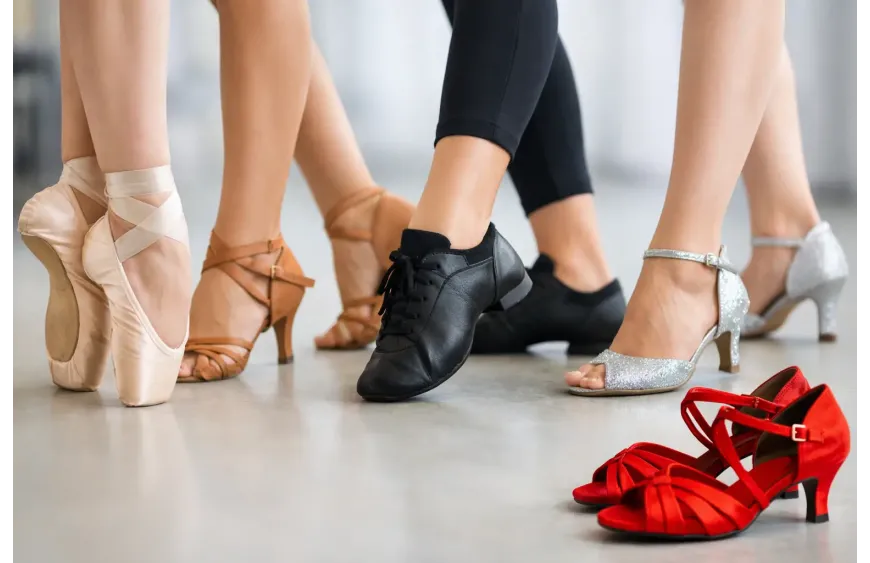
A turn feels different when your foot can actually move. The right women dance shoes support the ball of the foot, keep the heel secure, and help you connect with the floor instead of fighting it. Whether you are preparing for your first social dance class or refining a competition look, your shoe should match the dance, the floor, and the way you move.
Why women dance shoes are different from regular heels
A fashion heel is designed mainly for appearance and occasional walking. A dance shoe is built for repeated weight changes, pivots, pointed feet, and hours of movement. Its flexibility lets the foot articulate, while the fit keeps the shoe from sliding when you spin or step backward.
The sole is one of the biggest differences. Most ballroom and Latin shoes use suede soles because they offer controlled glide on a proper dance floor. You can turn without sticking, yet still feel enough traction for balance. Rubber soles are often better for outdoor use, casual errands, or some studio situations, but they can grip too firmly on a smooth ballroom floor and place extra stress on knees during turns.
Dance shoes also place the heel under the foot more deliberately than many street shoes. This improves stability and helps a dancer maintain the posture and weight placement required in ballroom, Latin, salsa, bachata, and American smooth. The best heel height is not automatically the highest one. It is the height that allows you to stand centered, move confidently, and keep dancing through the last song.
Choose dance shoes by your style of dancing
The category on the box matters. A shoe that works beautifully for cha-cha may not feel right for a waltz, and a closed-toe standard pump serves a different purpose than an open-toe Latin sandal.
Latin, salsa, and bachata shoes
Latin shoes are commonly open-toe sandals with straps across the forefoot and an ankle strap or T-strap for security. The open front gives the toes room to point and allows the footwork to be seen. Flexible straps can create an elegant line, but they still need to hold the foot firmly enough that it does not slide forward.
For salsa and bachata, many dancers prefer a heel that feels stable for fast direction changes. A flared heel offers a broader base, while a slim heel creates a more refined look and may suit dancers who already feel secure in their balance. Neither is universally better. Consider your experience level, the speed of your dancing, and how long you expect to be on the floor.
Ballroom and standard shoes
Ballroom and standard shoes are usually closed-toe, often in a classic pump style. The closed front protects the toes during close partner work and gives a clean, continuous line for smooth dances such as waltz, foxtrot, tango, and quickstep.
Look for a secure heel cup and a vamp that holds the forefoot without pinching it. In standard dancing, the shoe needs to support traveling movement and backward steps while allowing a polished foot line. A lower heel can be an excellent choice for a newer dancer, a teacher, or anyone who wants more stability during long practice sessions.
American smooth shoes
American smooth dancers may choose either closed-toe ballroom shoes or open-toe styles, depending on the dance, costume, and personal preference. Since smooth includes both closed-position movement and open choreography, comfort and reliable ankle support are especially useful. If you are building your first pair of shoes for several smooth dances, choose the style that feels most secure in your strongest and weakest movements, not just the one that looks best standing still.
Practice and teaching shoes
Practice shoes are made for hours of repetition. They often have a more supportive upper, a lower or wider heel, and a design that works across several ballroom and Latin styles. They may not have the formal sparkle of a competition sandal, but they can be the pair that saves your feet during weekly lessons, group classes, and teaching days.
A dedicated practice shoe is particularly useful if you compete or perform. Reserving your dress shoes for showcases and events helps preserve their shape, straps, and suede soles. It also means you arrive with footwear that still feels dependable when presentation matters.
How women dance shoes should fit
A properly fitted dance shoe usually feels more secure than an everyday shoe. Soft dance materials can relax with wear, so a pair that starts too loose may quickly become difficult to control. At the same time, secure should never mean painful. Numb toes, pressure across the ball of the foot, rubbing at the heel, or cramping arches are signs to reassess the size, width, style, or heel height.
Your toes should sit naturally at the front of an open-toe shoe, without hanging far over the edge or being forced to curl. In a closed-toe shoe, the toes should lie flat with light room at the end, not slide around. The heel should remain in place when you rise, lower, and take a backward step.
Width deserves as much attention as length. A narrow foot may need adjustable straps pulled snugly, while a wider forefoot may feel better in a style with thoughtfully placed straps or a roomier toe shape. If one foot is slightly larger, fit the larger foot first. Adjustment buckles, elastic inserts, and well-positioned straps can often fine-tune the other side.
Try shoes later in the day if possible, when feet are closer to their typical dance-session size. Bring or wear the hosiery you expect to use, since bare feet, dance tights, and stockings can change the fit. Walk a few steps, rise onto the ball of the foot, and make a gentle turn. The shoe should feel like part of your foot, not an accessory you have to manage.
Heel height, shape, and confidence
Heel selection is personal, and it can change as your dancing develops. A lower heel gives many beginners a stable foundation, especially when learning foot placement, posture, and turns. A moderate heel can offer a balance of lengthened leg line and control. Higher heels create a dramatic visual effect, but they ask more of the ankles, calves, balance, and technique.
Heel shape changes the feel as well. Flared heels provide a wider contact point with the floor and are popular for comfort and stability. Slim heels are elegant and precise, but demand confident weight placement. A shoe that makes you hesitant will affect your dancing more than a shoe that is slightly less dramatic.
For a first pair, prioritize comfort and stability over trying to match a professional competition look. You can always add specialized shoes as your needs become clearer. Many dancers eventually keep more than one pair: a reliable practice shoe, a social or teaching shoe, and a dressier option for performances or competition.
Material and color choices that work harder
Satin, leather, and synthetic dance materials each have a place. Satin is a traditional choice for competition and formal events because it creates a refined finish and can complement costumes beautifully. It may show marks more readily, so it benefits from careful storage. Leather can offer durability and may soften to the foot over time. Synthetic options can be practical, easy to coordinate, and suitable for regular social dancing.
For color, tan is a favorite for Latin because it can lengthen the look of the leg and keeps attention on the movement. Black is versatile for practice, teaching, social events, and ballroom styling. Flesh-toned shades, silver, and other finishes can be useful when coordinating with a dress or performance costume. Choose based on your actual wardrobe and dance calendar rather than buying a color you may only wear once.
Care for suede-soled dance shoes
Suede soles perform best when they are clean and textured. Over time, dust and compacted fibers can make the sole slick or uneven. Brush the sole with a proper shoe brush before or after dancing as needed, using light, controlled strokes. Keep shoes in a breathable bag rather than leaving them loose in a car or sealed in damp plastic.
Avoid wearing suede-soled shoes outdoors. Pavement, wet surfaces, and grit can damage the sole quickly. If you need to walk from the parking area to a venue, wear street shoes until you reach the dance floor. This small habit can extend the life of a favorite pair considerably.
Find the pair that lets you focus on the dance
The most flattering shoe is the one that allows you to dance with ease. Start with your main style, choose a heel you can control, and give fit the attention it deserves. For dancers in Toronto and the GTA, Dancewear Champions can provide personal fitting guidance in Thornhill when trying on styles in person feels more reassuring than guessing.
Your feet carry every lesson, social, showcase, and competition round. Give them shoes that let your technique, personality, and enjoyment take center stage.
Tags women dance shoes, Ladies dance shoes, women dance shoes for ballroom, women dance shoes for Latin, social dancing shoes, practice dance shoes, practice shoes, competition dance shoes, heel height
Related Products

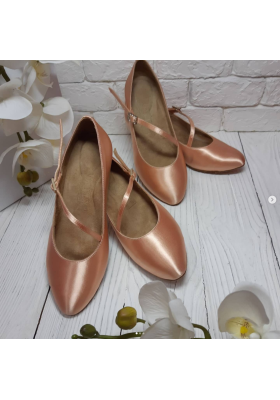
Galex - Emma - Tan-Satin - Heel - Slim 7cm
$238.00CAD
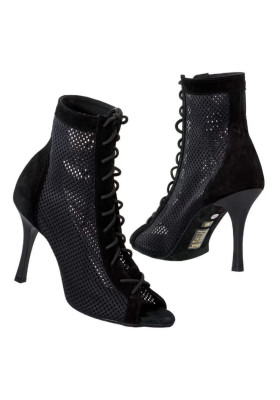
Galex - Victoria - Slim Heel
$275.00CAD
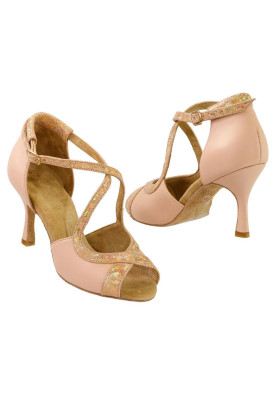
Galex - Light Pink- Heel - Slim 4-9 cm
$275.00CAD

IDS - AMERICAN FLEX - TAN SATIN - 2" heel
$254.00CAD

-280x400.webp "IDS - Heather Split-Sole - BluePinkPanther - 1.5\" heel")
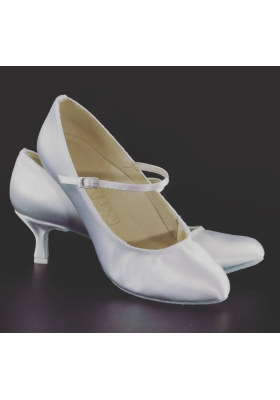
Galex - Wedding Dance White shoes
$350.00CAD