

- 19 August, 2026
- 75
- 0
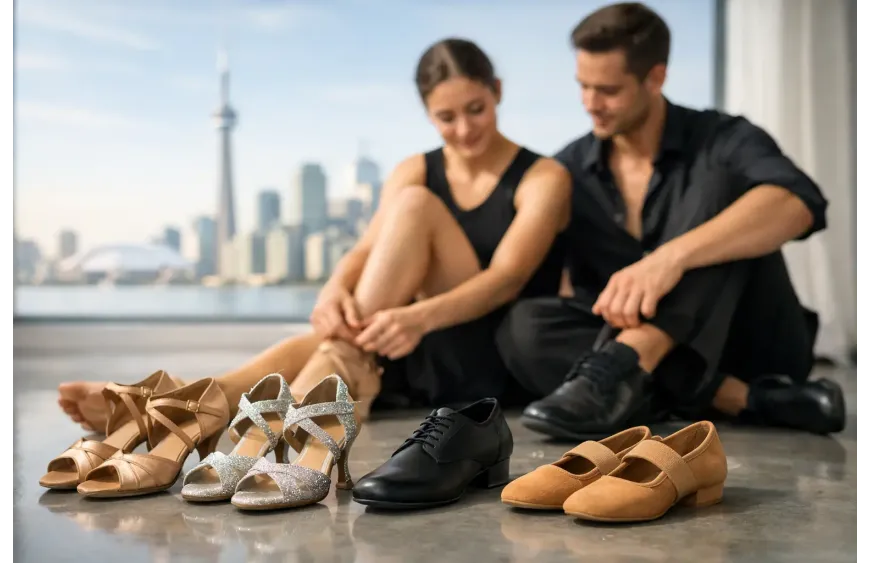
A shoe can look beautiful on the dance floor and still be the wrong shoe after one class. Pinched toes, a slipping heel, a strap that rubs, or a sole that will not turn properly can distract from timing, posture, and the simple enjoyment of dancing. When customers ask for the best choice for dance shoes, most comfortable dance shoes in Toronto, most comfortable dance shoes in GTA, most comfortable dance shoes in Canada for ladies, men and children, they are usually looking for more than a soft insole. They need footwear that matches how, where, and how often they dance.
Comfort is personal, but proper dance-shoe construction makes a measurable difference. The right pair should feel secure without squeezing, support controlled movement, and help the dancer stay connected to the floor. For a first social dance class, a weekly practice session, a showcase, or a competition, the best choice begins with fit and purpose.
What Makes a Dance Shoe Truly Comfortable?
A comfortable dance shoe is not simply a comfortable street shoe with a dressier shape. Dance shoes are built to move differently. Their soles, balance points, uppers, and closures are designed for weight changes, turns, pointing the foot, and repeated movement across a dance floor.
The sole is one of the first differences dancers notice. Suede soles are common in ballroom, Latin, salsa, bachata, and many social dance styles because they provide controlled glide and traction on suitable indoor floors. They allow the foot to pivot more easily than rubber while still giving the dancer a sense of stability. A suede sole does need care, and it is not intended for wet pavement or outdoor use. A shoe brush keeps the surface responsive by removing packed-in dirt.
Fit matters just as much. The heel should stay close to the foot without lifting during a walk or basic step. The toe box needs enough room for toes to lie naturally, but not so much length or width that the foot slides forward. Shoes that are too loose often create friction and blisters, while shoes that are too tight can cause numbness, pressure, and poor balance.
Materials also matter. Satin can provide a polished competition or formal social-dance look, while leather often offers durability and can gradually conform to the foot. Soft mesh, stretch panels, and well-placed straps can improve flexibility, especially for dancers with a wider forefoot or a foot shape that does not suit a narrow, closed design. There is no universal “best material.” The right option depends on the dancer’s foot, style, and intended use.
Choose by Dance Style, Not Just Appearance
The most comfortable dance shoes in Toronto and the GTA are the ones that support the movements a dancer actually performs. A sleek Latin sandal, for example, may be perfect for salsa or cha-cha but less practical for a beginner learning ballroom frame and traveling patterns.
Latin, Salsa, and Bachata Shoes
Latin footwear is designed for articulate footwork, quick changes of direction, and a close connection to the floor. Ladies often choose sandals with secure ankle straps or crossover straps, while men commonly wear flexible Latin shoes with a shaped heel and suede sole. The fit should feel snug across the forefoot and heel because a loose shoe makes spins and fast weight transfers harder to control.
Heel height is a key comfort decision. A higher heel can create a longer leg line and shift weight toward the ball of the foot, but it also asks more of the ankles, calves, and balance. New dancers and social dancers may feel more confident in a lower or broader heel. More experienced dancers may prefer a higher, slimmer heel for performance, provided it remains stable and properly fitted.
Ballroom, Standard, and American Smooth Shoes
Ballroom and standard dancers need footwear that supports gliding, backward steps, rise and fall, and long traveling movement. Closed-toe ladies’ ballroom shoes can offer additional coverage and a refined look, while men’s ballroom shoes are generally structured for a smooth, balanced stride. American Smooth dancers may choose options that accommodate both closed-position movement and more open choreography.
For these styles, stability often matters more than an ultra-flexible feel. A shoe should support the dancer through a full lesson without the heel shifting or the arch feeling strained. A well-fitted closed shoe can be especially reassuring for beginners who are still developing foot placement and floorcraft.
Practice, Teaching, and Social Dance Shoes
Practice shoes are often the workhorses of a dancer’s wardrobe. They are made for lessons, repetitions, teaching hours, and social events where comfort needs to last. Many dancers appreciate a lower heel, breathable upper, secure lacing or straps, and a flexible suede sole. A practice shoe may not have the same formal finish as a competition shoe, but it can be the pair that protects comfort across the most hours.
Teaching and social dance have their own demands. Instructors may spend extended periods standing, demonstrating, and moving with students of different heights and experience levels. Social dancers may want a polished shoe that remains forgiving after several sets. In both cases, choosing a sensible heel height and a dependable fit usually matters more than choosing the most dramatic silhouette.
The Best Fit for Ladies, Men, and Children
Foot shape is more useful than a label when selecting dance shoes. Ladies may need a narrower heel with room at the ball of the foot, a wider fit throughout, or a strap configuration that holds the toes comfortably. Men often benefit from checking both width and instep depth, particularly in lace-up ballroom and Latin styles. A shoe that looks correct from above can still feel restrictive over a higher instep.
For ladies’ sandals, toes should sit within the front straps rather than hanging over them or being forced backward. Straps should hold the foot securely without digging in. A small amount of close fit is normal with dance footwear, particularly with materials that gently give with wear, but pain is not a break-in requirement. If a shoe causes sharp pressure when standing, it is unlikely to become the right fit through dancing.
Children and youth dancers should not be placed in oversized shoes to “grow into.” Extra room makes it harder to point the foot, turn safely, and maintain balance. At the same time, children need enough space to move their toes naturally and accommodate normal growth. Parents should check fit regularly, especially during competition seasons, growth spurts, or when a child’s dance schedule increases.
Youth dance shoes should match the studio’s rules and the child’s discipline. A ballet shoe, jazz shoe, ballroom shoe, and Latin sandal each solve different movement needs. Choosing the correct category is a better starting point than selecting by color alone.
How to Check Fit Before Dancing in Them
A few simple checks reveal a great deal before the first lesson. Wear the shoe on both feet, stand in dance posture, walk, and transfer weight from side to side. If possible, take a few careful turns on an appropriate indoor surface. The shoe should feel like an extension of the foot, not an object the dancer is trying to keep on.
Look for four signs of a sound fit:
- The heel stays in place without rubbing or slipping.
- The toes are supported without being compressed, curled, or pushed over the front edge.
- The arch and instep feel supported without painful pressure.
- The shoe feels secure during a turn and does not twist around the foot.
Sizing can vary by brand, style, material, and shoe category. A dancer who wears one size in a street shoe may need a different size in a satin sandal, leather ballroom shoe, or youth style. That is why relying only on a standard shoe size can lead to disappointing results.
For local dancers, an in-person fitting can be particularly helpful when choosing a first pair, changing heel heights, or working around a narrow heel, wide forefoot, bunion area, or high instep. Dancewear Champions in Thornhill offers personal shoe-fitting guidance so customers can compare suitable styles and make a choice based on movement, comfort, and intended use.
Small Choices That Protect Comfort Over Time
Even a properly fitted shoe needs the right care. Reserve suede-soled shoes for dance floors, brush the sole when it loses its grip, and allow shoes to air out after class. Avoid storing them in a sealed bag while damp. If a strap starts to feel uncomfortable, check whether the shoe is being fastened too tightly or whether the foot is sliding forward because the size or width is wrong.
It also helps to separate practice shoes from competition or formal social shoes when dancing frequently. Rotating pairs can extend their life and lets each pair dry fully between uses. Dancers who spend several hours a week in class often find that a reliable practice shoe reduces fatigue and keeps their performance pair in better condition.
The best dance shoe should make you forget about your feet once the music starts. Choose the style for your dance, fit it for your actual foot, and give yourself enough stability to focus on the partner, the rhythm, and the next step.
Tags the best choice for dance shoes, most comfortable dance shoes in Toronto, most comfortable dance shoes in GTA, most comfortable dance shoes in Canada for ladies, men and children
Related Products

Galex - Emma - Tan-Satin - Heel - Slim 8cm
$238.00CAD
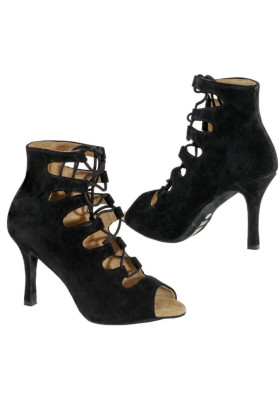
Galex - Kamilla - Slim Heel
$275.00CAD

Galex - Bianka - Slim Heel
$275.00CAD
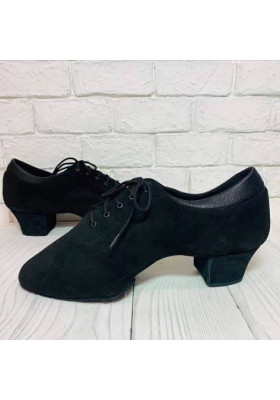
Galex - Black Nubuck - Heel 4cm
$250.00CAD
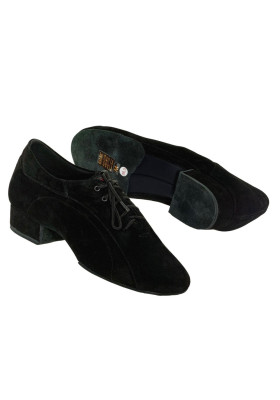
Galex - Black Nubuck - Heel 2cm
$250.00CAD
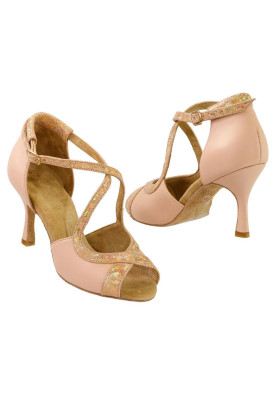
Galex - Light Pink- Heel - Slim 4-9 cm
$275.00CAD

IDS - AMERICAN FLEX - TAN SATIN - 2" heel
$254.00CAD