

- 21 November, 2026
- 23
- 0
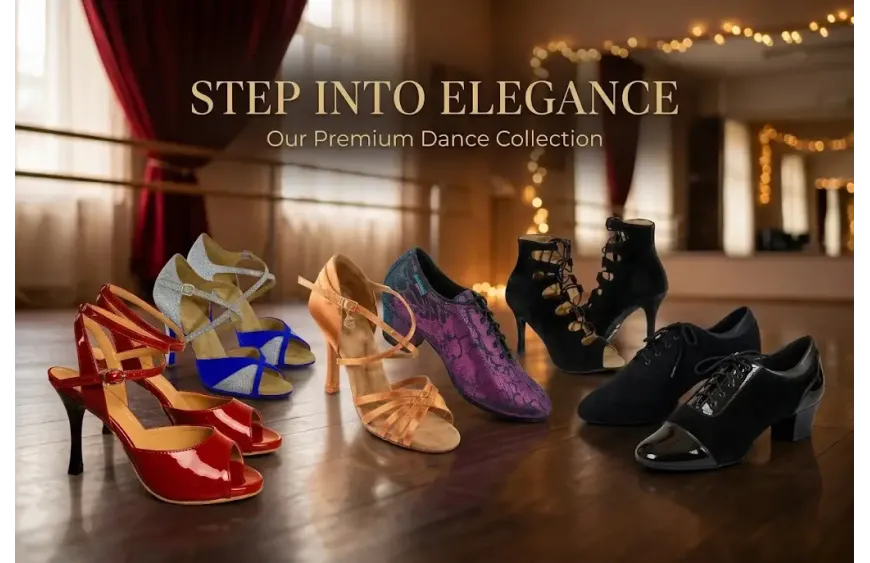
A turn that feels late, a heel that slips, or aching feet halfway through a class can change the whole experience of dancing. The phrase “Dance shoes Toronto” may be what brings you here, but the real goal is not simply finding a pair of shoes. It is finding footwear that supports your dance style, fits your foot securely, and lets you move with confidence.
The right dance shoe is a piece of equipment, not an accessory. Ballroom, Latin, salsa, bachata, American smooth, teaching, social dancing, and youth classes all place different demands on the foot. A shoe that works beautifully for one setting may feel unstable or restrictive in another. Knowing what to look for makes the choice much easier.
Dance Shoes Toronto Dancers Need for Their Style
The first decision is based on how and where you dance. Before choosing a heel height, color, or embellishment, identify the movement your shoes need to support.
Latin, salsa, and bachata shoes
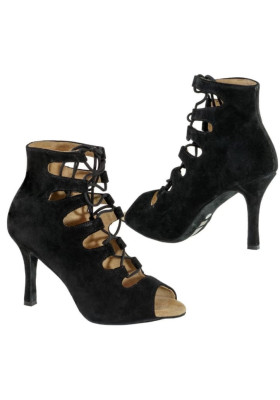
Latin shoes are designed for expressive footwork, quick weight changes, and a strong connection to the floor. Ladies’ Latin shoes often feature an open toe, a flexible suede sole, and straps that hold the foot in place through spins and pointed lines. The heel may be slim or flared, depending on your experience and balance.
For beginners, a lower or more stable heel is usually the sensible starting point. A higher heel can create a longer leg line, but it also changes your center of gravity. If you are still learning to transfer weight cleanly, a secure fit and manageable heel height will serve you better than a dramatic silhouette.
Men’s Latin shoes generally have a close, flexible fit and a heel designed to support rhythm-dance technique. They should feel snug without pressing on the toes or squeezing the width of the foot. A shoe that seems slightly too firm at first may break in appropriately, but pain, numbness, or a cramped toe box are signs to reconsider the fit.
Ballroom, standard, and American smooth shoes
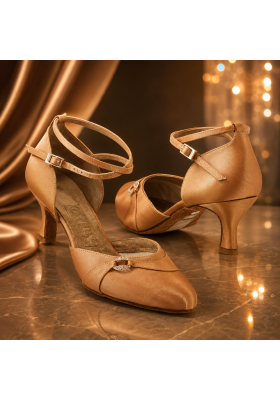
Ballroom and standard dancers need shoes that support gliding, controlled pivots, and a polished frame. Ladies often choose closed-toe court shoes for standard ballroom and American smooth, while men Ballroom/standard dance shoes typically wear classic ballroom shoes with a smooth profile and suede sole.
A closed-toe shoe offers more protection when dancing in close hold, especially for beginners who are still learning floorcraft. The structure can also feel more secure for dancers who prefer support around the forefoot. For smooth dancers, the choice may depend on whether they want one versatile shoe for both closed and open choreography or separate shoes for different routines.
Social, practice, and teaching shoes
Not every dance session calls for competition footwear. Practice shoes and teaching shoes are often the most useful pair in a dancer’s collection because they are built for repeated wear. They may have a lower heel, more cushioning, a roomier feel, or a design that works across several styles.
If you attend weekly classes, socials, and practice sessions, comfort and durability matter as much as appearance. A dedicated practice shoe can preserve your dressier shoes for performances, showcases, or competition days. For instructors, a supportive teaching shoe helps reduce fatigue during long hours on the floor.
Start With the Sole, Not the Sparkle
The sole determines how your shoe interacts with the dance floor. Most ballroom and Latin shoes use suede soles because suede provides controlled slide and grip on suitable indoor dance surfaces. You can turn, travel, and stop with more precision than you can in a rubber-soled street shoe.
That does not mean suede is the answer everywhere. Suede soles should not be worn outdoors, where moisture, grit, and rough pavement can quickly damage them. They also need occasional brushing to remove dirt and restore their texture. Shoe care is a small habit, but it helps preserve the performance feel that made you choose proper dance shoes in the first place.
For some social settings or multipurpose use, a different sole may be more practical. The trade-off is that too much grip can make turns harder on the knees, while too little control can make a new dancer feel unsteady. Think about the floors you use most often, not only the shoes you admire online.
How a Proper Dance Shoe Should Fit
Dance shoes should feel more secure than everyday footwear. During a spin, a loose shoe does not merely feel inconvenient. It can affect balance, foot placement, and confidence.
Your heel should remain in place as you walk and rise onto the ball of your foot. In an open-toe sandal, the toes may sit close to the edge, but they should not hang over it. Straps should lie flat and hold the foot without cutting into the skin. In a closed shoe, allow enough room to articulate through the toes, but avoid extra length that causes the foot to slide forward.
Fit also depends on the material. Leather, satin, mesh, and other dance-shoe materials can feel and wear differently. Some styles will give slightly with use, while others retain their original shape more closely. This is why sizing by number alone is not always enough. Brand construction, foot width, instep height, and personal preference all matter.
When possible, try on dance shoes later in the day, when feet are closer to their typical class-time size. Wear the type of hosiery or socks you expect to dance in. Walk, rise, point, and simulate a small turn in a safe area. A good fit should feel secure immediately, not like something you hope will become comfortable after several painful sessions.
Choosing Heel Height With Honesty
Heel height is one of the most personal dance-shoe decisions. It affects posture, balance, calf engagement, and the visual line of the leg. It can also affect how long you can comfortably dance.
A lower heel is often ideal for beginners, social dancers, younger dancers, teachers, and anyone returning after a break. It gives you a stable base while you develop technique. A moderate or higher heel can suit experienced dancers who have trained their balance and want a more elevated competition or performance look.
There is no prize for choosing the highest heel in the room. A lower heel that lets you complete every figure with control will look far better than a taller heel that makes you hesitate. If you are between options, prioritize the shoe that allows you to stand centered and move naturally.
What Parents Should Look for in Youth Dance Shoes
Children and youth dancers need footwear that matches both their class requirements and their stage of development. Shoes should fit securely without being oversized “to grow into.” Extra room can cause slipping, affect technique, and make turns less safe.
For young ballroom and Latin dancers, look for styles with stable heel options, secure closures, and appropriate flexibility. Competition rules or studio expectations may influence the style, color, and heel height, so it is worth confirming those details before purchasing. A well-fitted youth shoe gives young dancers the freedom to focus on rhythm, posture, and enjoyment rather than adjusting their footwear.
When Personalized Fitting Makes a Difference
Online shopping is convenient, especially when you already know the brand, style, and size that work for you. However, an in-person fitting can be especially valuable for a first pair, a new dance style, a changed foot shape, or a competition shoe that needs a precise fit.
At Dancewear Champions in Thornhill, dancers can receive personal guidance in a welcoming boutique setting with accessible parking. That matters when you need to compare heel heights, understand width and strap options, or find a shoe that suits both your technique and your goals. Families shopping for youth dancers can also benefit from having a knowledgeable second opinion.
The best dance shoe is the one you stop thinking about once the music starts. Choose a pair that fits your discipline, your floor, and your current level, then give yourself room to grow into the dancer you want to become.
Tags Toronto dance shoes, Toronto dance shoes for men, Toronto dance shoes for women, Toronto dance shoes for children
Related Products
Sale
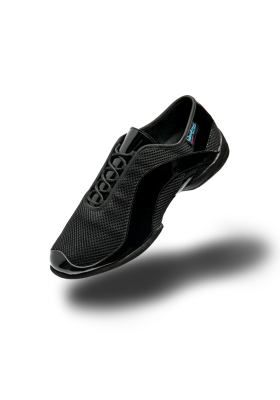
IDS - TEMPO - AIRMESH/BLACK PATENT
$229.00CAD $200.00CAD

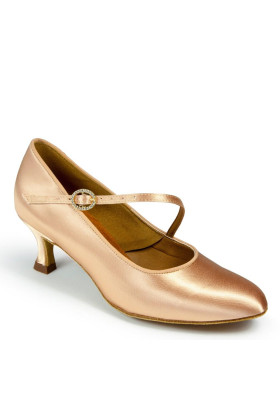
Galex - Emma - Tan-Satin - Heel - Slim 7cm
$238.00CAD
Galex - Kamilla - Slim Heel
$275.00CAD


Galex - American Smooth
$250.00CAD