


- 20 August, 2026
- 81
- 0
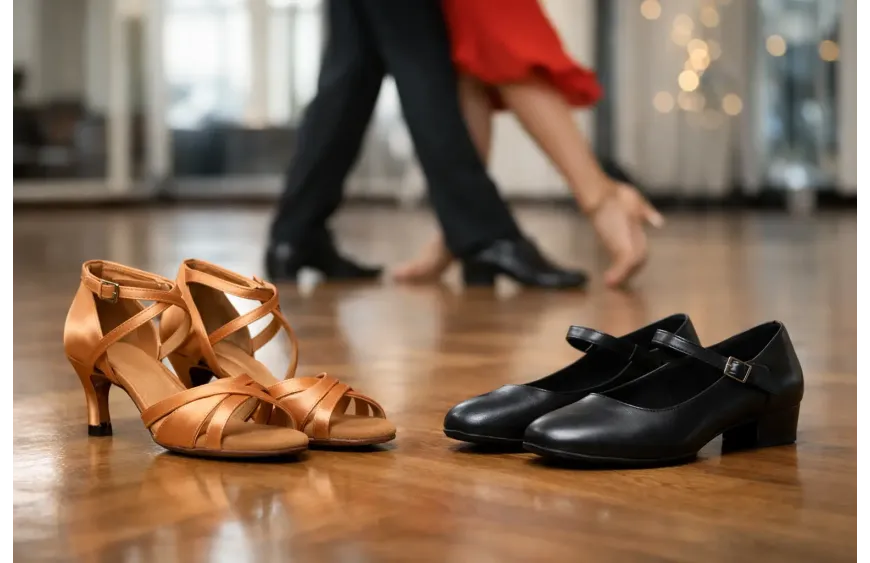
A heel that feels fine while standing can feel completely different after three songs of cha-cha, a long ballroom practice, or an evening of social dancing. If your search reads “dancer heels, low top dancing heels, dance shops, 3.5cm heels,” you are likely looking for more than a pretty shoe. You need a pair that suits your dance style, supports your foot, and lets you move with confidence.
For many adult beginners and social dancers, a 3.5cm heel is one of the most practical places to start. It creates the lifted posture and dance-specific line many dancers want without asking your feet and ankles to adapt to a high Latin heel right away. The right choice still depends on the dance, the shape of your foot, your experience, and how often you plan to wear the shoes.
Why dance shoes feel different from regular heels
Regular dress shoes are made primarily for walking, standing, and appearance. Dancer heels are built for controlled movement on a dance floor. A proper dance shoe typically has a flexible sole that allows the foot to point and articulate, a secure upper that keeps the foot from sliding, and a suede or dance-appropriate sole designed to glide and turn with control.
That sole matters. A rubber street sole can grip too aggressively on many studio floors, which may make turns harder on the knees and ankles. On the other hand, a dance sole is not intended for wet sidewalks, outdoor patios, or everyday errands. Keep your dance shoes for indoor use whenever possible, and use a shoe brush to maintain the sole when it becomes smooth or dirty.
The heel is also positioned for dancing. A well-designed dance heel supports balance under the body as you transfer weight, rotate, and move backward. This does not make every height equally easy, but it is why a properly fitted dance shoe often feels more stable than a fashion heel of a similar height.
Is a 3.5cm heel right for you?
A 3.5cm heel is a low, manageable heel height that works well for many social dancers, teachers, beginners, and dancers returning after time away. It gives a modest lift through the heel, which can encourage a more dance-ready posture while keeping the foot closer to the floor than a higher heel would.
For ballroom, American smooth, and social dancing, this height is often a comfortable choice for longer sessions. Dancers who are learning timing, balance, and partnership skills can focus more attention on technique instead of managing an unfamiliar heel height. It can also be a sensible option for a dancer who wants one pair for weekly classes, practice parties, and occasional events.
A lower heel is not automatically the best shoe for every person or every discipline. Experienced Latin dancers may prefer a higher, more tapered heel for the look, leg line, and weight placement they have trained to use. Some dancers with very limited ankle mobility may need an even lower option, while others find that a slightly higher heel actually feels more natural once they are accustomed to it. Comfort is personal, but it should never come at the cost of a secure fit.
Low top dancing heels and upper design
The phrase low top dancing heels can mean different things depending on the shoe style and the product description. It may refer to a lower-cut upper around the ankle, an open sandal design, or a shoe with a low vamp across the front of the foot. Rather than choosing by the name alone, look closely at where the straps, toe box, and heel cup sit on your foot.
Open-toe Latin sandals are popular for salsa, bachata, Latin practice, and many social dance settings. They can create a clean foot line and allow the toes to point naturally. However, the front straps must hold the toes securely. If your toes slide forward, hang over the edge, or feel squeezed, the shoe will become uncomfortable quickly and may affect your balance.
Closed-toe styles can be especially useful for standard ballroom, smooth, teaching, and dancers who prefer more coverage. A secure closed front can feel reassuring when dancing in a busy room or when you are still learning to place your feet accurately. The trade-off is that the toe box needs enough room to avoid pressure, especially if one foot is slightly wider than the other.
An ankle strap is helpful for many dancers, but it should not be doing all the work. The shoe needs to fit through the forefoot and heel cup as well. A strap tightened too aggressively can cause rubbing, restrict circulation, or pull the heel out of its proper position.
How dancer heels should fit
Dance shoes should feel secure from the first fitting, with a close but not painful fit. They may soften slightly with wear, particularly if the upper is satin, leather, or another flexible material. Do not buy a shoe that is loose because you expect it to shrink into place later. Extra space allows the foot to move inside the shoe, leading to blisters, less control, and an unstable feeling during turns.
Check the length first. Your longest toe should not be curled or pressed into the front, and there should not be a large empty gap beyond it. Then pay attention to width. The shoe should hold the ball of the foot without pinching it. If you feel numbness, sharp pressure, or tingling after a few minutes, the width or shape is likely not right.
The heel cup should sit closely against the heel. A small amount of movement can happen as you walk, but repeated lifting or slipping is a sign to try another size, width, or style. Test both shoes, not just one. Most people have small differences between their left and right foot, and fit should accommodate the larger or wider foot.
When possible, try dance shoes later in the day or after class, when feet may be slightly fuller. Bring the type of hosiery, foot pads, or dance socks you expect to wear. These small details can change the fit more than many first-time buyers expect.
Match the heel to how you actually dance
It is tempting to choose the shoe that looks most competition-ready, even if your immediate need is a weekly beginner class. A better approach is to start with your real dance routine.
If you attend ballroom group classes and social events, a stable 3.5cm heel or another low heel can provide comfortable support for extended wear. If you dance salsa or bachata several nights a week, you may prefer an open sandal with a flexible sole and a secure front strap. If you teach, practice for hours, or move between different partners, durability and stability may matter more than a dramatic heel shape.
For showcases and competitions, the requirements may be different. A dancer may use a higher heel or a more specialized Latin shoe for performance, while keeping lower dancer heels for class and practice. Owning more than one pair is not excessive when each pair has a clear job: one for training, one for social use, and one for the stage when needed.
What to ask at dance shops before buying
Specialist dance shops can help you narrow down the options quickly, particularly if this is your first pair. Tell the fitter what dances you do, how often you dance, whether you have worn heels before, and where you will use the shoes. A shoe for a wedding lesson, a ballroom class, and a competitive Latin routine may look similar online but perform very differently on the floor.
It also helps to mention any recurring foot concerns, such as a wider forefoot, narrow heel, bunion sensitivity, arch discomfort, or prior ankle issues. The goal is not to diagnose a problem. It is to avoid forcing your feet into a shape that the shoe cannot accommodate.
At Dancewear Champions, local dancers in Thornhill and the GTA can receive personal fitting guidance in an inviting boutique setting, while online shoppers can use dedicated sizing information to compare styles more confidently. For either shopping method, measure both feet, review the size chart for the specific brand, and avoid assuming your regular street-shoe size will be identical.
Care that protects your investment
Once you find a comfortable pair, protect the fit and sole. Carry your dancer heels in a shoe bag, keep them dry, and avoid wearing them outdoors. Brush suede soles lightly when they become compacted so they retain appropriate traction on the dance floor.
If a strap begins to loosen, a heel tip wears down, or the sole becomes damaged, address it early. Small repairs can help preserve the way the shoe feels underfoot. Most importantly, replace shoes when they no longer hold your foot securely. A worn-out pair can quietly change your balance and technique.
The best dance shoe is not the highest heel or the flashiest sandal. It is the pair that lets you stay present with the music, your partner, and the movement. Start with a secure fit, choose a heel height that supports your current level, and give yourself room to grow as your dancing does.
Tags dancer heels, 3.5cm heels, ballroom heels, Latin heels, and social dance heels
Related Products

Sale
Galex - Flexi - Latin - Black Patent - Heel 4cm
$225.00CAD $185.00CAD
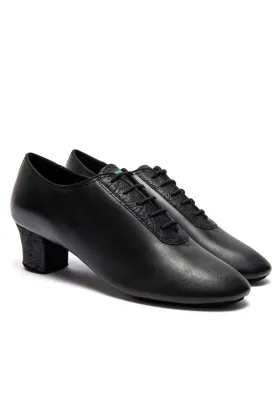
IDS - F33-BLACK CALF/BLACK FIORI -1.5" heel
$274.00CAD

Galex - Emily - Heel - Slim 4-9 cm
$275.00CAD
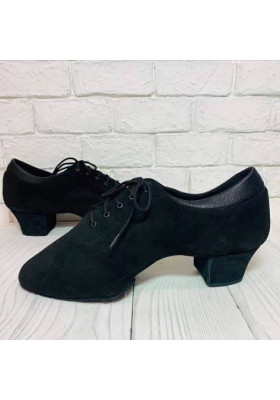
Galex - Black Nubuck - Heel 4cm
$250.00CAD
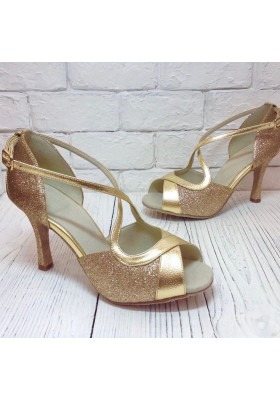
Galex - Gold - Heel - Slim 4-9 cm
$275.00CAD

IDS - AMERICAN FLEX - TAN SATIN - 2" heel
$254.00CAD

IDS - Flavia - Tan Shimmer - 2.5 Heel - Slim
$248.00CAD