


- 22 August, 2026
- 127
- 0
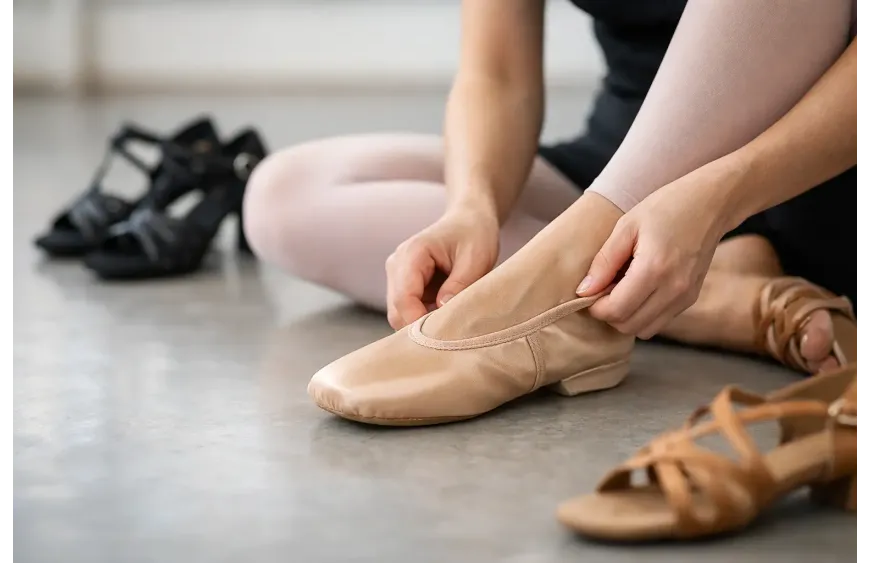
A new pair of dance shoes should feel secure from the first walk across the floor, not painful and not loose. So, do dance shoes stretch? Many do, but how much depends on the material, construction, dance style, and how often you wear them. The key is not buying a shoe that is uncomfortably small in the hope that it will eventually become perfect.
For ballroom, Latin, salsa, bachata, practice, and social dancers, the right fit supports balance, foot articulation, and confident turns. A shoe that stretches into the right fit can feel beautifully customized. A shoe that starts too tight may cause numb toes, rubbing, blisters, or a distracting amount of pressure during class.
Do Dance Shoes Stretch? It Depends on the Material
Leather dance shoes generally offer the most noticeable give. Natural leather gradually molds to the shape of the foot, especially across the toe box and forefoot. This is one reason leather is a popular choice for teaching shoes, men’s ballroom shoes, and many practice styles. The change is usually modest, not dramatic. Expect the shoe to soften and conform rather than grow a full size.
Satin shoes, common in ladies’ ballroom and Latin styles, may relax slightly with wear but do not stretch like leather. Their structure comes from the fabric, lining, straps, and sole working together. A satin shoe that feels just a little snug may settle in after several sessions. If the toes are compressed, the straps are biting, or the heel feels unstable, choosing a larger or wider option is usually the better answer.
Canvas and fabric practice shoes can give a little, particularly over the top of the foot, but the amount varies by model. Stretch fabrics may feel flexible immediately, while more structured canvas retains its shape. Synthetic leather can soften with heat and movement, yet it often has less predictable stretch than genuine leather. Some synthetic materials stay nearly the same size throughout their life.
The sole matters, too. Suede-soled ballroom and Latin shoes are designed for controlled movement on a dance floor, and the upper may feel more flexible once the shoe has been danced in. A stiff new sole or heel counter can soften, but neither should create pain while you wait for it to break in.
A Snug Fit Is Different From a Too-Small Fit
Dance shoes should fit more closely than everyday footwear. Extra room allows the foot to slide inside the shoe, reducing control and increasing friction. This is especially noticeable in Latin dancing, where weight changes, pointed feet, spins, and pressure through the ball of the foot demand a secure connection to the shoe.
A properly snug shoe holds the heel in place, keeps the foot centered over the sole, and allows the toes to lie naturally. In open-toe Latin sandals, the toes may sit near the edge, but they should not spill over it or curl to avoid the front straps. In closed-toe ballroom shoes, your longest toe should not be jammed against the front. You should be able to stand, take a few dance steps, and rise onto the ball of the foot without sharp pressure.
It is normal to feel aware of a new shoe. It is not normal to lose sensation in your toes, feel burning across the ball of your foot, or have a heel that pinches with every step. Do not rely on stretching to solve those problems.
Width and Shape Matter as Much as Length
Two dancers who wear the same street-shoe size may need different dance-shoe sizes because their feet have different widths, toe shapes, arches, and instep heights. A narrow foot can move around in a standard-width shoe even when the length is correct. A wider forefoot may feel squeezed in a shoe that is technically long enough.
For ladies’ Latin shoes, the placement and number of front straps also make a difference. A multi-strap sandal may accommodate the forefoot differently than a style with a wider vamp. For men’s ballroom shoes, a lace-up design can offer useful adjustment over the instep, while a slip-on style may need a more precise fit from the start.
If one foot is slightly larger than the other, fit the larger foot first. A small insole or carefully placed cushion may help fine-tune the smaller side, provided it does not make the shoe tight elsewhere. This is one reason an in-person fitting can be particularly helpful for first-time buyers and dancers moving into a more specialized shoe.
How to Break In Dance Shoes Safely
The best way to break in dance shoes is to wear them gradually in the environment they were made for. Try them at home on a clean, smooth surface first, following the retailer’s return guidelines. Walk, point and flex the feet, take a few controlled weight changes, and check whether your heel stays seated.
For the first class or practice session, consider bringing your previous pair as a backup. Wear the new shoes for part of the session, then switch if you notice hot spots. Several shorter wears are kinder to both your feet and the shoe than one long evening of dancing.
Avoid soaking shoes, forcing them with excessive heat, or trying aggressive stretching methods. Heat can affect glue, satin, synthetic uppers, and heel attachments. Stretch sprays and professional stretching may be suitable for certain leather shoes, but they should be used cautiously and only to ease a small pressure point. They cannot reliably correct a shoe that is too short, too narrow overall, or wrong for your foot shape.
Thin dance socks can help during a brief break-in period for closed shoes, but remember that they may change the fit. If you normally dance barefoot in your shoes, evaluate the final fit barefoot as well. For open-toe sandals, keep an eye on the front straps. They should settle against the foot without becoming loose enough to let the toes slide forward.
Different Dance Shoes, Different Expectations
Competition shoes are often designed for a close, elegant line. They may have softer uppers and more minimal structure than a durable teaching or social shoe. That can create a lovely pointed foot and better floor feel, but it also means the fit must be especially accurate. A competition shoe may mold to the foot quickly, yet it may not offer the same all-night cushioning as a practice shoe.
Teaching and practice shoes often prioritize support, stability, and longer wear. Leather uppers and more substantial construction can soften over time, especially at the flex point, while still maintaining a secure fit. Social dance shoes sit somewhere in between. The ideal choice depends on how often you dance, the floor surface, your technique, and whether you need more cushioning or more freedom through the foot.
Children’s and youth dance shoes deserve extra attention. Children’s feet grow, but buying shoes far too large can compromise balance and make dance steps harder to learn. A modest amount of growing room may be appropriate depending on the style, but a loose shoe is not a safer shoe. Check the fit regularly rather than assuming a stretched shoe will continue to work.
Know When It Is Time to Replace Them
A shoe that has stretched slightly can still be a good shoe if it remains stable. Once the heel slips, straps no longer hold the foot securely, or the upper has become loose enough to affect control, it may be time to replace it. Worn suede soles can often be brushed to restore their nap, but an unstable heel, damaged straps, or a shoe that no longer fits should not be ignored.
Your feet can change, too. Increased training, an injury, pregnancy, changes in weight, or simply more time spent on the dance floor can alter what feels comfortable. Reassessing fit is part of taking care of your dancing.
If you are choosing your first pair or deciding between two sizes, aim for secure and comfortable rather than painfully tight. At Dancewear Champions, personalized fitting guidance can help you account for your dance style, foot shape, and the amount of give a specific shoe is likely to have. The right pair should let you focus on your timing, partnership, and enjoyment of the dance, not on your feet.
Tags dance shoes stretch, dance shoes protect fit, comfort dance shoes
Related Products
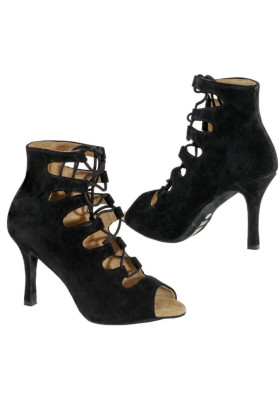
Galex - Kamilla - Slim Heel
$275.00CAD
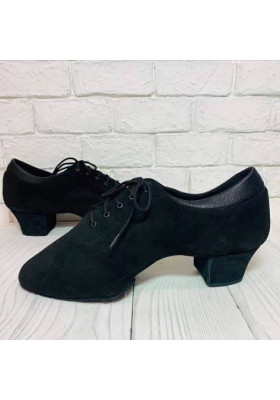
Galex - Black Nubuck - Heel 4cm
$250.00CAD
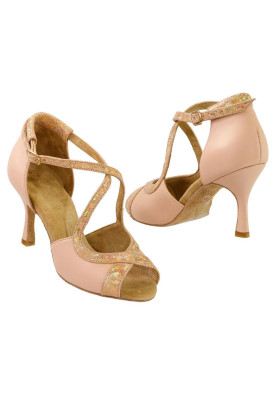
Galex - Light Pink- Heel - Slim 4-9 cm
$275.00CAD
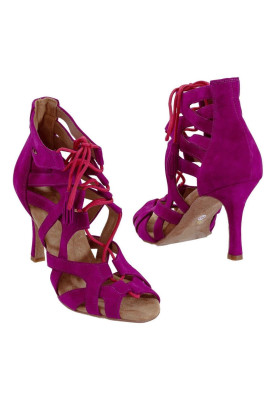
Galex - Hot Pink - Slim Heel
$275.00CAD
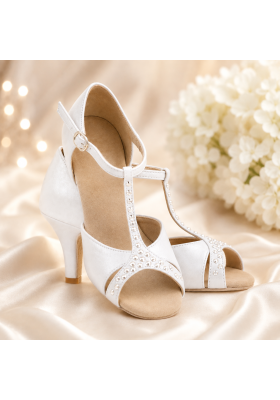
Galex - Wedding Dance White shoes 7cm Slim
$350.00CAD
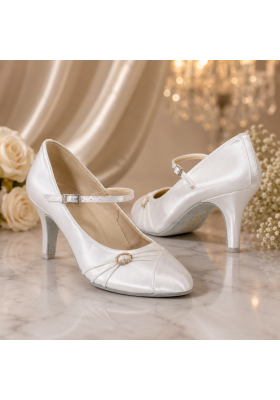
Galex - Wedding Dance White shoes 6cm Slim
$350.00CAD