


- 24 September, 2026
- 15
- 0
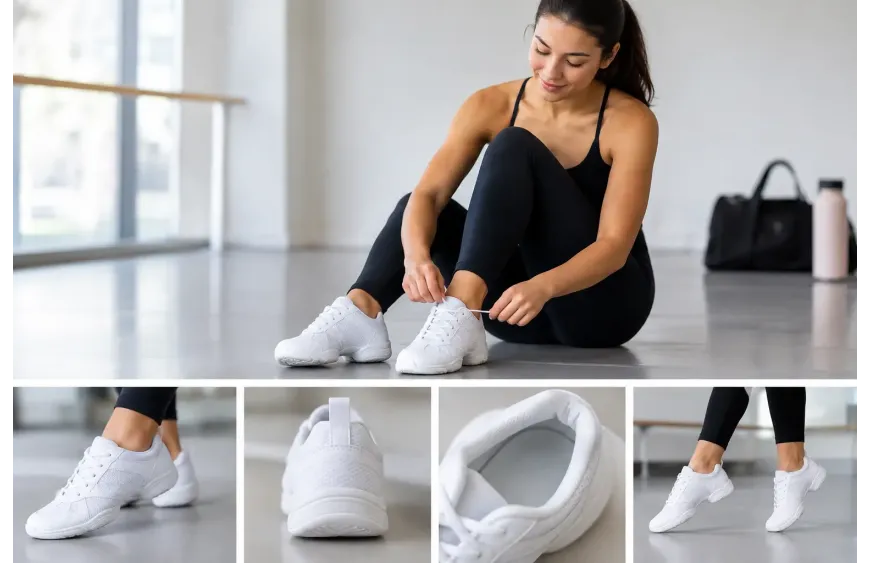
A new pair of dance sneakers should feel supportive from the first try-on, not painfully tight with the promise that they will eventually improve. To break in dance sneakers properly, you want to soften the upper, let the insole settle to your foot, and test movement gradually without turning your first class into a blister-producing experiment.
Dance sneakers are built differently from street sneakers. They often have a split sole, pivot point, lightweight upper, or lower-profile cushioning designed for turns, quick weight changes, and controlled movement. That construction means the safest break-in approach is measured practice, not wearing them all day on pavement.
Start With the Right Fit Before Breaking Them In
Breaking in can help a shoe adapt slightly, but it cannot correct the wrong size, width, or shape. Your toes should lie flat without being compressed, your heel should feel held in place, and the ball of your foot should align naturally with the widest part of the shoe. If your toes are curled, numb, or pressing hard into the front while standing still, choose a different fit rather than hoping the material will stretch enough.
Pay attention to the heel counter and the top edge around the ankle. A snug heel is useful for stability, particularly in salsa, Latin, ballroom practice, and teaching, but it should not rub sharply against the Achilles area. Likewise, the tongue and laces should secure the foot without creating pressure across the instep.
Fit can also change by style. A flexible knit or mesh dance sneaker may relax quickly, while a structured leather or synthetic upper can need more gradual wear. Split-sole styles may feel different under the arch than a full-sole sneaker, especially for dancers who are used to a more traditional athletic shoe.
Wear Them at Home in Short Sessions
Your first few wears should happen indoors on a clean surface. Put on the socks you expect to wear for class and lace the shoes as you would for dancing. Walk around for 10 to 15 minutes, then try basic movements: rises, side steps, weight transfers, gentle pivots, and a few controlled turns.
Check for pressure rather than waiting for pain. A small amount of new-shoe firmness is normal. A burning hot spot, tingling toes, rubbing at the heel, or a pinching sensation at the little toe is a sign to stop and adjust. It is much easier to prevent a blister than to dance around one for the next week.
Over several days, increase the sessions to 20 or 30 minutes. Once the shoes feel comfortable for walking and basic movement, wear them for part of a practice session before using them for a full class, social dance, rehearsal, or showcase. This gradual progression gives your feet time to adapt as well as the shoes.
Use Dance-Specific Movement, Not Just Walking
Walking helps identify basic fit issues, but it does not test what matters most on the dance floor. Dance sneakers need to feel secure when you shift weight quickly, rotate through the ball of the foot, and travel sideways.
At home or in a suitable studio space, test a few movements from your usual style. Ballroom and American smooth dancers can try forward and backward walks, side closes, and gentle rotation. Salsa and bachata dancers can test quick changes of direction and turns. If you use dance sneakers for teaching or fitness-based dance classes, practice the movements that place the most demand on your forefoot and ankles.
Do not force deep stretches, aggressive lunges, or repeated hard turns in a brand-new pair. The goal is to learn how the shoe responds, not to wear it down before it has properly settled.
Adjust the Lacing Before Assuming the Shoe Is Wrong
Many fit concerns come from lacing tension rather than the shoe itself. If the top of your foot feels pressured, loosen the middle laces slightly while keeping the heel secure. If your heel lifts during turns, tighten the upper eyelets or use a heel-lock lacing method if the sneaker design allows it.
Dancers with a high instep often need more room through the center of the shoe, while dancers with narrow heels may need a firmer lock at the ankle. Make one adjustment at a time and move around for several minutes before judging the result. Over-tightening every lace can make the foot feel stable at first, then uncomfortable as it warms up.
Socks matter too. Thin, moisture-wicking dance socks can reduce friction and help you feel the floor, while a thicker athletic sock may make an already snug shoe feel too small. Use the same sock thickness during break-in that you plan to use in class.
Protect Common Friction Points
The heel, little toe, big toe, and ball of the foot are the areas most likely to complain during the first few wears. If you know you are prone to blisters, use preventive protection before the first long session. A smooth blister bandage or friction-reducing tape can be useful when applied to clean, dry skin.
Avoid placing bulky padding inside the shoe just to get through a class. It can alter your fit, change how your foot contacts the floor, and create a new pressure point somewhere else. If the shoe is rubbing despite sensible lacing and a short break-in period, reassess the fit.
Keep your feet dry as well. Moisture increases friction, and dance classes can get warm quickly. Change socks if needed, let the sneakers air out after every wear, and avoid leaving them closed in a dance bag while damp.
Know What You Can and Cannot Stretch
Some uppers will give slightly across the width as they warm to your foot. Leather can be more adaptable than certain synthetic materials, while mesh may feel more flexible from the start but offer less room for meaningful stretching. Length is different: a shoe that is too short will not become safely longer through wear.
Do not soak dance sneakers, blast them with a hair dryer, or bend and twist them aggressively. These shortcuts can weaken adhesives, distort support, affect the sole, and shorten the life of footwear designed for precise movement. They can also make a shoe feel temporarily softer while causing it to lose the structure you need for stability.
If one small area is tight, a professional fitting conversation is more useful than home remedies. The right solution may be a different width, a different upper material, another style, or a minor lacing adjustment. It depends on where the pressure occurs and how your foot moves while dancing.
Take Them to Class Gradually
For the first class, consider bringing your previous dance shoes or a familiar practice pair. Warm up in the new sneakers, then switch if you notice rubbing or discomfort. This approach is especially helpful before a long social dance, competition preparation, or a full day of teaching.
After each wear, inspect both your feet and the shoes. Look for rubbing along the lining, unusual creasing across the toes, loosened laces, or signs that the shoe is sliding during turns. A new crease is normal as the upper flexes. Persistent heel slip or pain in the same spot is not.
Once your sneakers have been worn through several short practices without discomfort, they are usually ready for regular use. Even then, save a brand-new pair for a few shorter sessions before relying on them for an important performance. Your feet deserve familiar support when your focus needs to be on choreography, partnership, or presentation.
When to Ask for Fitting Help
If you are choosing your first pair, returning to dance after time away, managing foot sensitivity, or moving between dance styles, personalized guidance can prevent a frustrating purchase. A sneaker that works beautifully for a dance fitness class may not give a ballroom teacher, social salsa dancer, or competitive Latin dancer the same feel underfoot.
At Dancewear Champions, local dancers can receive one-to-one shoe fitting guidance in Thornhill to help identify a style that suits their dance use, foot shape, and comfort needs. Bring the socks or orthotics you normally wear, and describe the movements you do most often. Those details make a real difference.
A well-fitted dance sneaker should gradually become part of your movement rather than something you think about during every step. Give it a few careful wears, listen to early signs of friction, and let comfort build before your next long night on the floor.
Tags dance sneakers, dance shoes, ballroom dance shoes, Latin dance shoes, salsa dance shoes, and practice dance shoes
Related Products
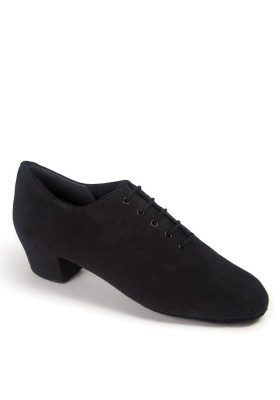
IDS - Heather Split - Black Lycra
$238.00CAD
Sale
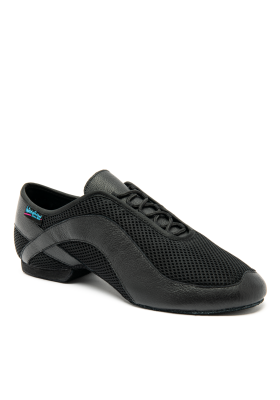
IDS - JAZZ - AIRMESH/BLACK
$198.00CAD $168.00CAD
Sale
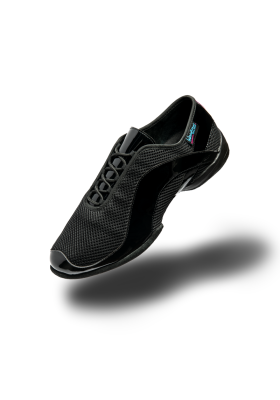
IDS - TEMPO - AIRMESH/BLACK PATENT
$229.00CAD $200.00CAD
Galex - American Smooth
$225.00CAD