

- 05 October, 2026
- 18
- 0
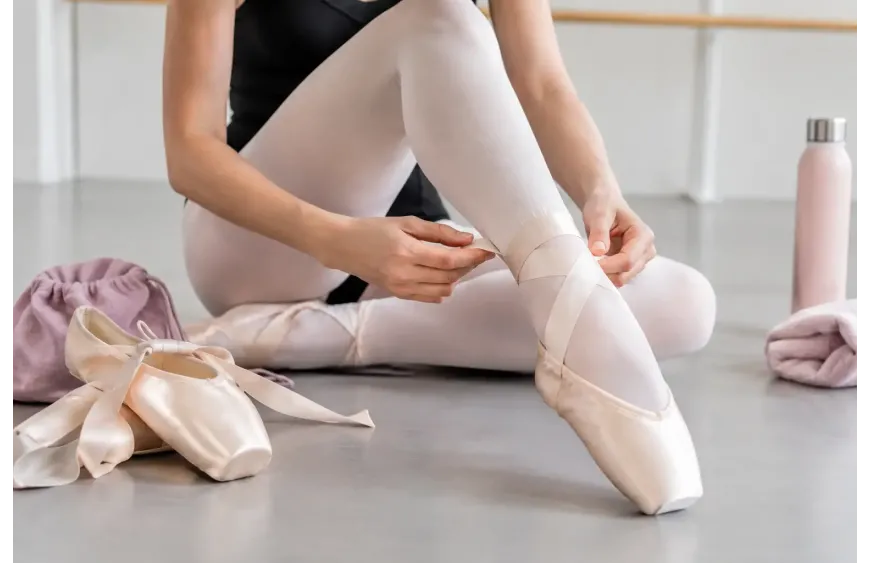
A pointe shoe that looks beautiful from the audience can be completely wrong for the dancer wearing it. The goal is not to make the foot look smaller, force a dramatic arch, or choose the hardest shoe available. To fit pointe shoes safely, the shoe must support the dancer’s current technique, foot shape, and strength without creating painful pressure, instability, or an unsafe position en pointe.
For a first pair especially, pointe shoe fitting should be treated as part of a dancer’s training, not just a footwear purchase. A qualified teacher’s approval and an experienced fitter’s assessment work together. The teacher understands the dancer’s readiness in class; the fitter evaluates how a specific shoe works with that dancer’s feet.
Start With Pointe Readiness, Not Shoe Size
A dancer should not begin pointe work simply because they have reached a certain age or want to join friends in pointe shoes. Readiness depends on training history, alignment, strength, ankle mobility, control of turnout, and the ability to maintain placement through the feet and legs.
The dance teacher should be the first person to approve pointe work. They can assess whether the dancer can hold their core, work through the feet, control the ankles, and stand with correct alignment. Parents should feel comfortable asking the teacher whether their child is ready before booking a fitting.
For adult beginners, the same principle applies. Adult bodies and training backgrounds vary widely. Some dancers have prior ballet experience and good foundational strength; others need more time building technique in flat slippers. Pointe shoes do not create strength. They reveal whether the strength is already there.
Why Professional Fitting Matters
Pointe shoes are highly structured tools. Their box, platform, shank, vamp, wing height, heel shape, width, and length all affect how the dancer stands and moves. Two dancers with the same street-shoe size can need very different pointe shoes.
A professional fitting considers more than a measurement. The fitter observes foot length and width, toe length pattern, compressibility, arch shape, heel shape, ankle mobility, and how the dancer rises through demi-pointe. They also watch for common fitting challenges, such as a narrow heel with a broader forefoot, a compressible foot that changes shape under pressure, or toes that need more length inside the box.
This is why it is risky to borrow a friend’s pair, order a first pair based on a general conversion chart, or choose a shoe only because it is popular with advanced dancers. A shoe that suits one foot can cause another dancer to sink, twist, grip, or lose balance.
For dancers in Toronto and the GTA, an in-person appointment provides the opportunity to compare appropriate styles and receive hands-on guidance. Bring your teacher’s recommendations if they have specified a preferred brand, shank strength, or other requirement.
What a Safe Pointe Shoe Fit Should Feel Like
A new pointe shoe should feel secure and snug, but it should not feel crushing. Some resistance is expected because the shoe is designed to support work en pointe. Sharp pain, numbness, burning, pinching, or a feeling that the toes are folded or jammed are not normal parts of a good fit.
The dancer should wear the toe pads, toe tape, spacers, or other accessories they expect to use in class. These items change the amount of room inside the shoe. Trying on shoes barefoot and adding thick padding later can make an initially correct fit too tight.
When standing flat, the toes should lie long and comfortably placed inside the box. The shoe should not leave excess room that allows the foot to slide forward. At the same time, the toes should not be forced into a curled position. The heel should sit smoothly against the heel of the foot without large gaps or painful digging.
When the dancer rises to pointe, the foot should be properly supported on the platform. The toes should not feel as though they are dropping down into the box, often called sinking. The shoe also should not push the dancer too far forward or pull them back behind the platform. Both issues can make balance harder and place strain on the toes, ankles, and knees.
Check the Box and Platform
The box needs to match the shape of the forefoot. A box that is too narrow can compress the toes and create painful pressure along the sides. One that is too wide can allow the foot to move around, reducing control and increasing the chance of rolling or twisting.
The platform should provide a stable area for the dancer to stand on. It does not need to be unusually broad to be safe, but it must allow the dancer to find balance without gripping with the toes. A dancer who appears to wobble may need a fit adjustment, more strength and instruction, or both.
Check the Vamp and Wings
The vamp is the upper portion of the box over the toes. If it is too low, the foot may feel unsupported or overexposed. If it is too high, it can restrict the dancer from getting fully over the platform. The right height depends on toe length, foot shape, and how the dancer articulates through the foot.
The wings at the sides of the box help support the foot. A dancer who tends to roll inward or outward may benefit from a shoe shape with appropriate side support, but the shoe cannot replace technical correction. Proper alignment must still come from the dancer’s training.
Check Shank Strength and Placement
A shank supports the arch of the foot, but harder is not automatically better. An overly hard shank may prevent a dancer from rolling through the shoe and getting fully on pointe. A shank that is too soft may break down quickly or fail to provide enough support for the dancer’s current strength.
Shank placement matters as much as stiffness. The break of the shoe should align with the dancer’s natural arch rather than breaking too early under the heel or too late beyond the arch. An experienced fitter can compare options while watching how the dancer moves through demi-pointe and onto pointe.
Fit Tests Should Be Done Carefully
During a fitting, the dancer may be asked to perform simple movements at the barre or with support. These are controlled checks, not a test of how many steps or turns the dancer can do in new shoes. First-time pointe dancers should follow their teacher’s instructions about whether and how to rise onto pointe during the appointment.
A fitter may look for these signs: the foot remains centered on the platform, the ankle does not sickle or wing excessively, the toes are not visibly knuckling, and the dancer can rise without fighting the shoe. The dancer should be able to lower with control as well.
If a shoe feels good only while standing still but becomes painful or unstable when rising, it is not the right fit. Speak up during the appointment. A good fitting is a conversation, and honest feedback helps narrow the choices.
Common Mistakes That Can Make Pointe Work Less Safe
Avoid making changes that hide a fit problem. Adding more and more padding to stop pain can reduce control and crowd the toes. Cutting the shank, crushing the box, wetting the shoe, or aggressively breaking it in before a teacher or fitter has approved the fit can change the shoe’s support in unpredictable ways.
It is also unwise to keep dancing in a shoe that has become too soft, twisted, broken down, or painful. Pointe shoes wear differently depending on the dancer’s technique, schedule, foot strength, and the construction of the shoe. Check them regularly for a softened box, a shank that no longer supports the arch, loose stitching, or an uneven platform.
Never assume that discomfort must be endured because pointe is demanding. Ballet requires discipline, but persistent pain, numbness, blisters, bruising, or changes to toenails deserve attention. Tell the teacher and reassess the shoe fit. If pain continues, seek advice from an appropriate health professional.
Prepare for the First Class in New Shoes
Once the shoes are approved, sew ribbons and elastics according to the teacher’s preference. Secure attachment matters: poorly placed or loose elastics can affect how the shoe stays on the heel and ankle. Label each shoe left and right if the fit feels slightly different from one foot to the other.
Bring the same accessories used at the fitting to class, including toe pads and toe tape. Keep nails trimmed straight across, without cutting them too short. A small pointe shoe care kit with tape, scissors, extra elastic, and blister supplies can be useful, particularly for performance days.
New shoes may feel different after a few classes, but they should never need to be “pushed through” with severe pain. Check in with the teacher after the first sessions. Small adjustments to padding, ribbon placement, or shoe selection can make a meaningful difference before a minor issue becomes a training setback.
The safest pointe shoe is the one that lets the dancer work with control, correct alignment, and confidence. Take the fitting seriously, listen to the teacher and fitter, and let technique - not pressure to progress quickly - set the pace.
Tags pointe shoes, Silicon Toe Pads, Half Toe Shoes, Ballet Shoes, Ballet Slippers
Related Products

Ballet Pointe Shoes
$75.00CAD
Sale
Silicon Toe Pads
$25.00CAD $20.00CAD