


- 26 August, 2026
- 200
- 0
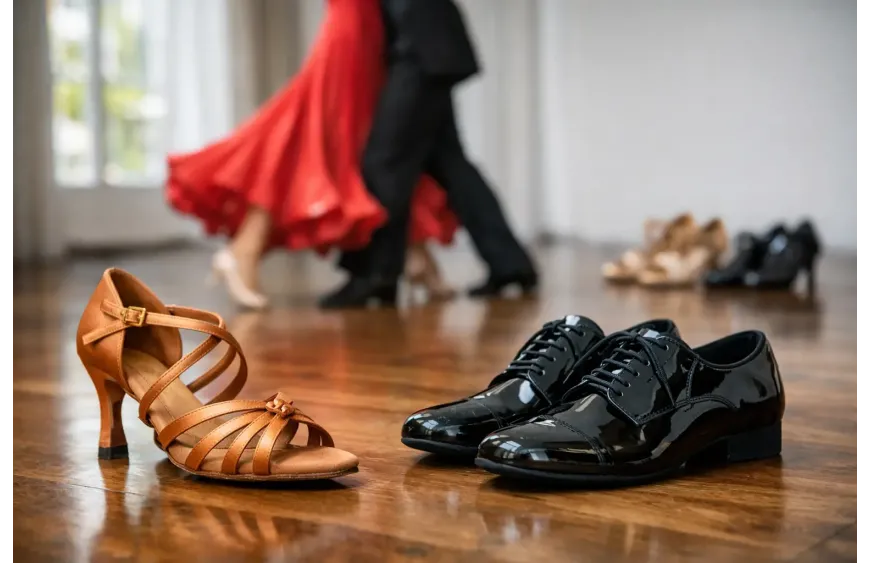
A dance shoe that looks beautiful but shifts at the heel, pinches the toes, or sticks to the floor can distract from every step. Whether you are preparing for your first social dance class or a major competition, international ballroom dance shoes should feel like part of your technique, not something you need to fight through.
Many shoppers begin with searches for ballroom dance shoes, dance shops, a “dancing shop near me,” dance heels, or a dance shoe store. The right answer is rarely just the prettiest pair. Your dance style, foot shape, floor surface, experience level, and training schedule all affect which shoes will serve you best.
International Ballroom Dance Shoes Start With Your Dance Style
Ballroom footwear is designed for movement on a dance floor. Unlike street shoes, ballroom dancing shoes have a flexible construction, a suede sole for controlled glide, and a fit that keeps the foot connected to the shoe through turns, walks, and weight changes. That combination helps dancers move with more confidence while protecting the shoe from the demands of regular practice.
The first choice is whether you dance International Standard, International Latin, American Smooth, rhythm, salsa, bachata, or a mix of styles. There is overlap, especially for social dancers, but each category has a purpose.
International Standard shoes are usually closed-toe. Ladies’ styles often have a classic court-shoe shape with a secure vamp and a modest heel. Men commonly wear black lace-up ballroom shoes with a low heel and smooth, supportive upper. These shoes suit waltz, tango, foxtrot, quickstep, and Viennese waltz, where a clean foot line and reliable floor contact matter.
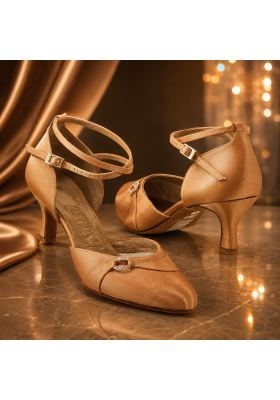
International Latin dance shoes are typically more open, particularly for women. Straps expose more of the foot and allow strong toe articulation, while a secure ankle strap helps keep the shoe stable during Cuban motion, spins, and fast directional changes. Latin shoes are made for cha-cha, samba, rumba, paso doble, and jive. They can also be a good choice for salsa and bachata, depending on the dancer’s preference and the class requirements.
American Smooth dancers may want a closed-toe shoe for standard-like figures, but some choose a flexible sandal for routines that include more open work. Social dancers have the widest range of options. A comfortable, secure practice shoe may be more useful than a high-heeled competition style if you dance several nights a week.
Choose Heel Height Before You Choose the Color
Heel height changes posture, balance, leg action, and comfort. It is not simply a style decision. A higher heel can create a longer visual leg line and a more pronounced Latin look, but it also transfers more pressure toward the ball of the foot. A lower heel provides a steadier base and is often the smarter starting point for new dancers, teachers who stand for long periods, and anyone returning after a foot or ankle issue.
For dance shoes for women, a low flare heel or a moderate heel is often a practical first purchase. Flared heels provide a wider base at the floor, which can feel more stable than a narrow heel. Slimmer heels are popular for performance and competition, but they require good alignment and a secure fit.
Men’s dancer shoes generally use a lower heel, though Latin styles may have a slightly higher heel than Standard shoes. The difference supports the style and body position of Latin dancing without making the shoe difficult to control.
If you are between heel heights, think honestly about where you will wear the shoes most. A pair used for one showcase can be more specialized. A pair used for weekly lessons, practice parties, and social events needs to prioritize comfort and durability.
The Best Ballroom Dance Shoe Should Feel Snug, Not Painful
A proper ballroom dance shoe usually fits more closely than an everyday shoe. The upper is expected to mold to the foot with wear, especially in satin, leather, or soft synthetic materials. However, “snug” should never mean numb toes, burning pressure, or a heel that slips as you walk.
Check three areas when trying on dancing shoes. First, your heel should stay seated without lifting significantly. Second, the widest part of your foot should sit at the widest part of the shoe. Third, your toes should be supported without being crushed against the front. In an open-toe Latin sandal, a little toe extension may be normal, but your foot should not slide forward enough to hang over the sole.
Foot width matters just as much as length. A narrow foot in a wide sandal may move from side to side during turns. A wide forefoot in a narrow shoe may cause painful pressure across the metatarsals. Some dancers also need extra room for bunions, high insteps, orthotics, or asymmetrical feet. This is where a specialized fitting is especially valuable.
At Dancewear Champions, dancers in the Toronto and GTA area can receive personal guidance at the Thornhill shopping location, including help comparing fit, heel stability, and style requirements. Online shoppers can also make a more informed choice by measuring carefully and reviewing the relevant shoe size chart, rather than assuming their street-shoe size will match every brand.
Suede Soles Need Care, Not Fear
Most ballroom shoes have suede soles because suede provides the right balance of slide and grip on a suitable wood or studio floor. Rubber soles tend to grip too strongly, which can put stress on knees and ankles during turns. Hard outdoor soles do not offer the same floor feel or flexibility.
Suede does need maintenance. Brush the sole regularly to remove compacted dirt and restore its texture. Keep ballroom shoes in a shoe bag rather than tossing them loose into a dance bag, and avoid wearing them outdoors, on wet pavement, or across rough parking surfaces. A clean sole gives you more predictable movement and helps preserve the shoe.
Floor conditions still matter. A very slippery floor may call for extra caution, while a sticky floor can make even a well-maintained suede sole feel difficult. Experienced dancers adjust their power, turns, and footwear choices to the venue rather than expecting one shoe to perform identically everywhere.
Practice Shoes Are a Smart Second Pair
If you dance regularly, a practice shoe can extend the life of your performance footwear. Practice styles often offer more coverage, cushioning, and stability than delicate dance heels. They are especially useful for long classes, private lessons, teaching, drilling choreography, and breaking in new technique without putting all the stress on competition shoes.
A practice shoe is not a lesser shoe. For many dancers, it becomes the pair they wear most often. A supportive low-heeled shoe can make it easier to concentrate on timing, connection, and posture instead of sore feet. Then, when it is time for a showcase or event, you can change into your more specialized ballroom dance shoes.
Youth dancers and parents should consider this distinction as well. Children’s and juvenile shoes should support developing feet, stay secure during active movement, and meet any competition rules. Choosing an adult-style high heel too early is not a shortcut to better dancing.
How to Shop a Dance Shoe Store With Confidence
A quality dance shoe store should make it easier to narrow the choices. Before shopping, know your primary dance style, how often you dance, whether you need a shoe for practice or competition, and the heel height you can control comfortably. If you have a preferred brand or a previous pair that fit well, bring that information too.
When comparing ballroom shoes Canada shoppers should also consider timing. New shoes need a short adjustment period before an important performance. Do not wait until the day before a competition to discover that a strap needs an extra hole, the sole needs brushing, or a heel height feels unfamiliar.
For an in-person fitting, bring the foot liners, toe pads, or hosiery you normally use. Walk, rise, lower, and take a few controlled turning actions if space allows. The shoe should hold your foot securely in movement, not only feel comfortable while seated.
The phrase “I love dance shoes” is easy to understand. The right pair can make you feel polished, supported, and ready to step onto the floor. Start with fit and function, then choose the color, straps, sparkle, or silhouette that feels like you. That is how a shoe becomes a dependable part of your dancing, from the first class to the final round.
Tags international ballroom dance shoes, ballroom dance shoes, dance shops, dancing shop near me, dancer shoes, dance heels, international Latin dance shoes, ballroom dance shoe, dance shoe store, ballroom shoes canada, ballroom.dancing shoes, dancing shoes, dance shoes for women, i love dance shoes
Related Products
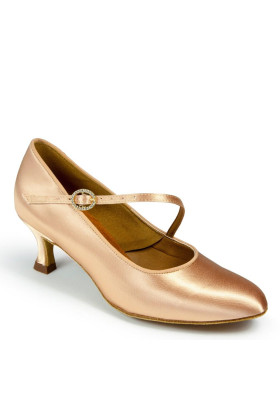
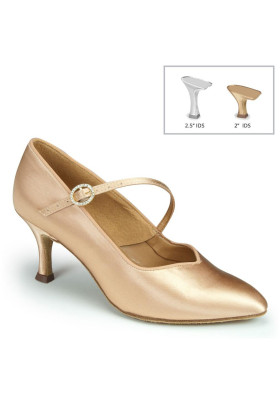
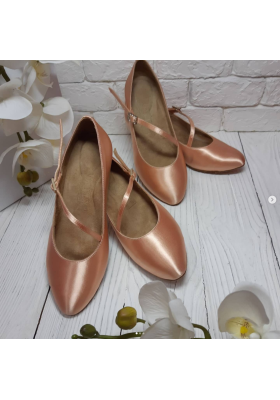

IDS - AMERICAN FLEX - TAN SATIN - 2" heel
$254.00CAD
Galex - American Smooth
$250.00CAD