


- 05 August, 2026
- 269
- 0
-870x563.webp "International Dance Shoes Toronto Fit Guide")
A dance shoe can look perfect from across the floor and still work against you the moment you take a turn. For dancers searching for international dance shoes Toronto, the right choice is less about a flashy finish and more about fit, sole flexibility, support, and the demands of the dance style.
High quality dance shoes are designed to become part of your movement. They should help you point, pivot, transfer weight, and maintain connection to the floor without distracting you from your technique. Whether you are preparing for your first salsa class, teaching several nights a week, or competing in ballroom or Latin, a properly chosen shoe changes how confidently you dance.
What Makes Professional Dance Shoes Different?
Professional dance shoes are purpose-built for dance floors. Unlike street shoes, they typically use suede soles that allow controlled turning, flexible construction through the forefoot, and a shaped fit that holds the foot securely during movement. The result is not simply a more polished appearance. It is a shoe that can support cleaner footwork and reduce the urge to grip the floor with your toes.
The sole is one of the biggest differences. Suede gives ballroom, Latin, salsa, bachata, and social dancers enough traction to feel grounded while still allowing pivots and spins. A rubber street sole may feel safer at first, but it can stop suddenly on a dance floor and place extra strain on the knees or ankles during turns.
Fit is equally technical. A dance shoe should feel secure and close to the foot, particularly across the ball of the foot and heel. It should not pinch, numb the toes, or force the foot into an awkward position. Many dancers find that their dance-shoe size differs from their everyday shoe size, so relying on the number alone can lead to a poor fit.
Choosing High Quality Dance Shoes by Style
The best shoe depends on what you dance, how often you dance, and where you are in your training.
For Latin, salsa, bachata, and rhythm, ladies often need an open-toe sandal with a secure ankle strap and a flexible front. The shoe should allow the foot to articulate while keeping the heel stable through quick weight changes. A lower heel can be a smart starting point for beginners, social dancers, and anyone building confidence. More experienced dancers may prefer a higher, slimmer heel for line and presentation, but only if they can maintain balance and control.
For ballroom standard and American smooth, closed-toe styles provide a more traditional look and greater toe protection. Ladies may choose a closed-toe court shoe, while men commonly need a smooth ballroom shoe with a stable heel and clean, supportive upper. Standard dancers travel extensively around the floor, so heel security and a dependable sole matter as much as appearance.
Practice and teaching shoes are a separate category worth considering. They are often built for longer wear, with a lower or broader heel, more coverage, and added comfort for classes, rehearsals, and coaching. They may not have the same competition finish as a satin sandal or formal ballroom shoe, but they can be the better choice for dancers spending hours on their feet.
Youth dancers need shoes that fit their current feet correctly, not shoes purchased several sizes up for future growth. A secure fit helps young dancers develop sound technique and protects them from slipping inside the shoe. Parents should also match the shoe to the studio or competition requirements, especially where heel height and style rules apply.
European Dance Shoes and the Details That Matter
European dance shoes are widely appreciated for refined construction, elegant lines, and dance-specific fit options. For many dancers, the appeal is in the details: balanced heel placement, carefully shaped arches, supple uppers, and styles created for precise movement rather than casual wear.
That does not mean every European style is automatically right for every foot. A narrow sandal may suit one dancer beautifully and feel restrictive to another. A high heel can create a striking leg line but may be unsuitable for a newer dancer or someone returning after an injury. The best choice balances the visual requirements of your dance with your actual comfort, foot shape, and technical level.
When trying on shoes, stand tall, walk, rise onto the ball of the foot, and make a few controlled turns if space permits. Check that the heel does not lift, straps do not cut in, and the toes are not hanging over the edge. Satin and leather can soften with wear, but a shoe that is painfully tight at the first fitting is unlikely to become a reliable dance partner.
A Better Way to Shop for Dance Shoes in Toronto
Toronto and GTA dancers often need shoes for very different settings: weekly social dancing, a wedding dance, studio lessons, showcases, or DanceSport competition. Before choosing, identify the dance style, floor type, expected wear time, and heel height you can genuinely control. These details narrow the selection quickly.
At Dancewear Champions, dancers can compare specialist styles with personal fitting guidance at the Thornhill shopping location. This is especially useful when selecting a first pair, moving from social shoes to competition footwear, or finding a style for a wider, narrower, or hard-to-fit foot.
Once you have found the right pair, use a shoe brush to maintain the suede sole and keep dance shoes separate from outdoor footwear. The right professional dance shoe should feel secure enough to forget about - so your attention stays on the music, your partner, and the next step.
Tags International Dance Shoes, IDS Dance Shoes, Galex Dance Shoes, Freed Dance Shoes, BD Dance Shoes, Professional Dance Shoes, European dance shoes
Related Products

IDS - Mia - Tan Satin - 2.5" heel
$244.00CAD
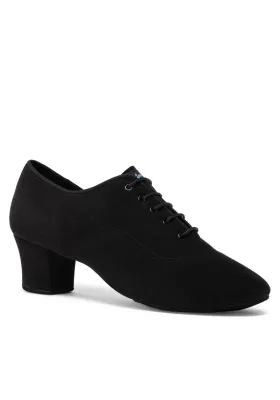
IDS - Rumba - Black Nubuck - 1.5" Heel
$274.00CAD

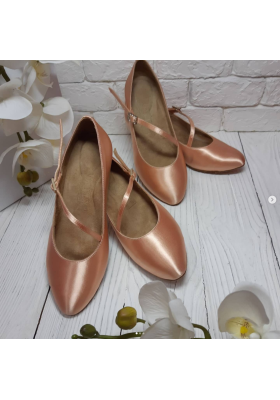
Galex - Emma - Tan-Satin - Heel - Slim 7cm
$238.00CAD
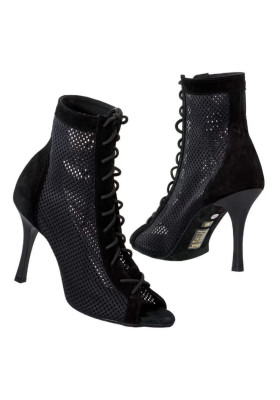
Galex - Victoria - Slim Heel
$275.00CAD
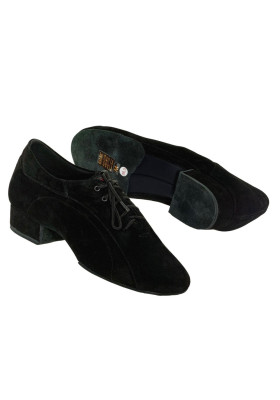
Galex - Black Nubuck - Heel 2cm
$250.00CAD


IDS - AMERICAN FLEX - TAN SATIN - 2" heel
$254.00CAD
