

- 20 August, 2026
- 232
- 0
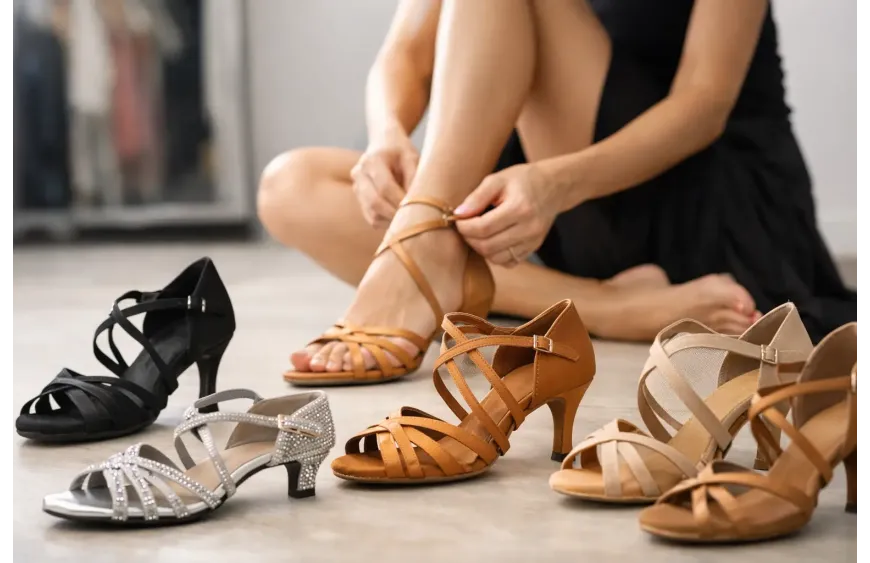
A Latin shoe can look perfect while you are standing still, then feel completely different after one cha-cha lock step, a fast jive, or an hour of salsa turns. That is why Latin heel reviews are most useful when they describe what happened on the dance floor, not simply whether the shoe looked attractive out of the box. For social dancers, teachers, competitors, and first-time buyers, the right comments can point to a shoe that supports confident movement rather than becoming a distraction.
The challenge is that one dancer's favorite heel may not suit another dancer's foot, training schedule, or style of dance. A review is evidence, not a universal verdict. Reading it with a clear understanding of your own needs makes it far easier to choose well.
What Latin heel reviews can tell you
The most valuable reviews explain fit in detail. Look for comments about whether the shoe feels narrow, average, or generous through the forefoot; whether the toe area has room without letting the foot slide forward; and whether the straps hold securely during turns. A dancer with a narrow heel may love a snug back strap that another dancer finds restrictive. Both experiences can be accurate.
Comfort feedback also needs context. A pair worn for one showcase is different from a pair used for three weekly classes, a social dance night, and regular practice. Comments that mention how the shoes felt after extended dancing carry more weight than a first impression alone. Pay attention to details such as pressure at the big toe, rubbing at the little toe, a strap that loosens as the shoe warms up, or cushioning that helps on a harder studio floor.
Durability is another useful category, especially for dancers who practice often. Reviews may mention how the straps, buckle, heel tip, lining, and sole held up over time. However, use this information thoughtfully. Suede soles are designed for indoor dance floors and will wear quickly if used outside, while a shoe used only for occasional social dancing will naturally show less wear than one used for intensive competition training.
Read Latin heel reviews through your own dance needs
Before comparing comments, identify what you need the shoe to do. A beginner attending a weekly Latin class may prioritize stability and comfort. A dancer preparing for competition may be focused on leg line, a secure fit, and the confidence to create fast, precise action. A teacher may need a reliable pair that remains comfortable through long hours on the floor.
Your usual dances matter too. Latin heels are often chosen for cha-cha, rumba, samba, jive, salsa, bachata, and Latin-based social dancing, but the movement demands are not identical. Salsa dancers who turn frequently may appreciate a balanced heel and a sole that allows controlled pivots. Bachata dancers may prefer a fit that feels especially secure through close movement and weight changes. Ballroom dancers who also take American smooth or standard classes may want a separate shoe rather than expecting one Latin heel to cover every style.
A review that says, “Great for dancing all night,” is promising, but it becomes more helpful when you know the writer's heel height, dance style, and experience level. When those details are missing, treat broad praise or criticism as a starting point rather than the final answer.
Heel height changes the experience
Heel height is one of the biggest reasons two dancers can assess the same shoe differently. A lower Latin heel is often easier to manage for new dancers, dancers returning after time away, or anyone who wants a stable practice and social-dance option. It can help you learn weight placement without feeling as though you are fighting the shoe.
A higher heel can create a longer visual line and may be preferred for performance or competition. It also asks more of the feet, ankles, calves, and balance. If reviews describe a shoe as surprisingly comfortable at a higher height, check whether the writer is already accustomed to dancing in heels. A dancer who trains regularly in a higher heel will have a very different baseline from someone moving up from a low practice shoe.
Heel shape matters alongside height. A wider or flared heel generally offers more stability, while a slimmer heel can create a more refined look but may feel less forgiving. Neither is automatically better. The better choice is the one that lets you place your weight cleanly and dance without hesitation.
Fit is more than the size on the label
Latin shoes should feel secure, but “secure” should not mean painfully tight. Many styles use soft materials that may relax and mold to the foot with wear. That does not mean you should buy a shoe that pinches sharply, causes numbness, or leaves your toes cramped from the first fitting.
Look for reviews that distinguish between a shoe becoming more supple and a shoe being too small. The forefoot should stay supported through turns, and the heel should not lift excessively as you walk or dance. If the shoe has multiple straps across the toes, they should hold the foot in place without cutting into it.
For dancers with wider feet, a high instep, a narrow heel, bunions, or other fit concerns, general reviews can only go so far. The construction of the upper, placement of straps, and shape of the toe box can make a major difference. This is where a dance-specific size chart and knowledgeable fit guidance are more useful than guessing based on a street-shoe size.
Details worth watching for in reviews
When several dancers independently mention the same point, it is worth noticing. Repeated praise for a stable heel, soft straps, dependable buckle, or supportive insole can indicate a consistent strength. Repeated concerns about a narrow toe area, a short ankle strap, or a particular pressure point may signal that the style suits a more specific foot shape.
Be cautious with reviews that offer only a star rating and no explanation. They are useful as general social proof, but they cannot tell you whether the shoe will work for your foot. Detailed feedback is particularly valuable when it describes the dancer's use case: first pair of Latin heels, weekly social dancing, competition preparation, teaching, or long practice sessions.
Photos can help you assess the shoe's appearance and strap placement, but they do not replace a proper fit check. A shoe may look elegant on a foot with a different arch height or toe shape than yours. If presentation is important for a showcase or competition, consider how the shoe color, heel height, and overall profile work with your costume as well as with your technique.
Turn reviews into a better fitting decision
Use reviews to make a shortlist, then assess each style against your non-negotiables. Think about your current heel comfort, the amount you dance each week, whether you need a shoe mainly for practice or performance, and any areas where shoes typically cause discomfort. A beautiful design is a bonus, but it should not come ahead of stability and a secure fit.
When trying Latin heels, fasten the straps as you would for dancing and stand with your weight centered. Walk a few steps, rise through the feet, and make small turning actions if space allows. Notice whether the foot slides toward the toe, whether the ankle feels held, and whether you can place weight over the ball of the foot without gripping with your toes.
Bring the type of hosiery or foot protection you normally wear, if any. Small changes in what sits between your foot and the shoe can affect the fit. It is also wise to allow time before an event to practice in a new pair indoors. Even an excellent shoe benefits from a gradual break-in period and a chance for you to become comfortable with its balance.
Dancers in the Toronto area who prefer to compare fit in person can benefit from a dedicated shoe fitting at Dancewear Champions in Thornhill. A fitting is particularly helpful when you are choosing your first Latin heel, changing heel height, or trying to solve a recurring fit issue.
The best review is the one that helps you ask a better question: Will this shoe support the way I actually dance? Choose a Latin heel that lets you focus on rhythm, connection, and expression - not on managing your feet.
Related Products

IDS - Mia - Tan Satin - 2.5" heel
$244.00CAD
Sale
Galex - Emma-H - Flesh Satin - Heel - Flare 5cm
$220.00CAD $180.00CAD

Galex - Zarina - Slim Heel
$275.00CAD
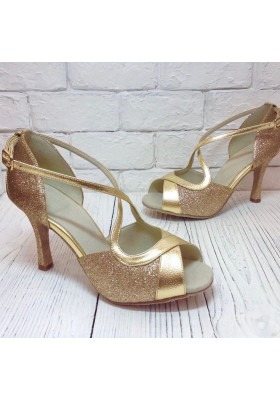
Galex - Gold - Heel - Slim 4-9 cm
$275.00CAD