


- 23 August, 2026
- 183
- 0
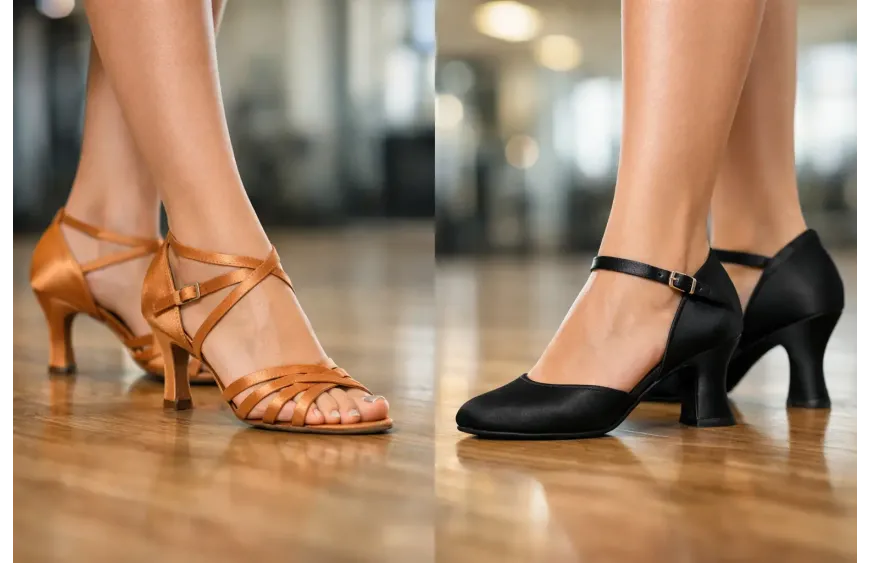
A heel can change how a dance shoe feels before you have even taken a full basic. In the Latin heel versus flare heel decision, the right choice comes down to more than appearance. Your balance, foot strength, preferred dances, training schedule, and comfort with height all matter.
For many dancers, especially those buying their first dedicated Latin or social dance shoe, heel terminology can be confusing. Shoe brands may use slightly different labels and heel shapes, but the practical question remains the same: do you need a more streamlined, performance-oriented heel, or a wider heel base that offers a little more stability? Understanding the difference helps you choose a shoe that supports your dancing instead of distracting from it.
What Is a Latin Heel?
A Latin heel is designed for the forward, articulated movement used in Latin and rhythm dance styles. You will see it on shoes made for cha-cha, rumba, samba, jive, salsa, bachata, and Latin DanceSport. It generally has a slimmer profile than a broad practice heel, creating an elegant line from the ankle through the leg.
The exact shape varies by manufacturer. Some Latin heels narrow through the middle and broaden slightly at the base, while others have a more tapered, refined look. What they share is a more elevated, dressier profile that complements pointed toes, leg action, and the visual styling of Latin costumes and dancewear.
Latin heels are commonly available in several heights. A lower option can be suitable for newer dancers or long social dance sessions, while a higher heel may appeal to experienced dancers who are comfortable working over the ball of the foot. Higher is not automatically better. The best height is the one that lets you maintain posture, use your feet clearly, and dance for the length of your class, practice, or event.
Why dancers choose a Latin heel
Many dancers choose this heel because it creates a polished silhouette and encourages a more lifted, centered dance position. When fitted correctly, it can help a dancer feel connected to the floor while allowing the ankle and foot to articulate naturally.
That said, a slimmer heel demands more control. If your ankles fatigue quickly, you are returning to dance after time away, or you tend to roll outward on your feet, a traditional Latin heel may feel challenging at first. Fit becomes particularly important here. The heel cup should hold your foot securely, and the straps or vamp should prevent the foot from sliding forward.
What Is a Flare Heel?
A flare heel has a noticeably wider base at the floor than at the heel seat. That broader contact area can provide a more grounded feeling, particularly when you are turning, changing weight quickly, or dancing for several hours.
Flare heels are often favored by beginners, social dancers, teachers, and dancers who want extra reassurance without moving into a very low or block-style heel. They can also be a practical choice for dancers who are building ankle strength or who simply prefer a steadier shoe underfoot.
A flare heel is not only a beginner option. Plenty of experienced dancers choose one for teaching, practice, or social events because it balances a feminine, dance-specific appearance with dependable support. The amount of flare differs from shoe to shoe, so two heels listed under the same name may not feel identical when worn.
Where a flare heel can help
The wider base can make weight transfers feel more secure and reduce the sense that you are balancing on a very small point. This can be especially welcome in dances with repeated turns, quick directional changes, or long periods on the ball of the foot.
For salsa and bachata socials, where floors, music, partners, and dance duration can vary, a flare heel often gives dancers a comfortable middle ground. You still have the elevation and presentation of a heeled dance shoe, but with a little more stability than a narrower profile may offer.
Latin Heel Versus Flare Heel: The Real Differences
The difference is not simply that one heel is for advanced dancers and the other is for beginners. Both can work well at different levels. Think instead about how each shape affects stability, movement, appearance, and your confidence.
A Latin heel usually offers a sleeker look and can feel more responsive for dancers accustomed to precise footwork and a more elevated line. It is often the choice for Latin competition shoes, showcases, and dancers who want a refined stage-ready profile.
A flare heel offers a broader landing area. It may feel steadier during turns and more forgiving when technique is still developing. It is often an excellent choice for classes, practice, teaching, and social dancing, particularly if you will be on your feet for a long time.
Neither heel can compensate for a shoe that does not fit. A heel that looks perfect but allows your foot to slide, pinch, or lift out of the back will interfere with balance no matter how wide its base is. Proper length, width, strap placement, and heel security should come before selecting the most dramatic heel shape.
Choose Based on How and Where You Dance
Your dance routine should guide the decision. If you are attending a weekly beginner ballroom or Latin class, a lower flare heel can make it easier to focus on timing, posture, and foot placement rather than worrying about balance. A dancer who is already secure in a moderate heel may prefer the cleaner look and feel of a Latin heel for Latin technique and performance.
Social dancers often benefit from considering the full evening, not just the first song. A shoe that feels fine for ten minutes may be tiring after three hours of dancing. Lower heel heights, secure straps, cushioned insoles, and a stable heel base can matter more than choosing the most formal-looking option.
For competition, follow any applicable costume or age-category rules, then consider the heel that supports your best dancing. Youth dancers may have heel restrictions, and adults should avoid moving to a higher or narrower heel too quickly before an event. Competition day is not the ideal time to test a heel shape that makes your balance uncertain.
Heel Height Matters as Much as Heel Shape
A low Latin heel and a high flare heel can feel very different from the stereotypes attached to their names. Height changes your center of gravity, the pressure through the forefoot, and how much ankle control is required.
If you are undecided, a moderate height with a gently flared base is often a smart starting point. It gives you a dance-appropriate line while leaving room to develop confidence. Once your technique and strength improve, you may decide to add a higher Latin heel for performances or competition while keeping your more stable pair for lessons and practice.
Dancers with foot concerns, recurring ankle discomfort, or balance issues may also want to prioritize stability and a secure fit over heel height. There is no prize for choosing a shoe that makes dancing less enjoyable.
Check the Fit Before You Decide
Try both heel options while standing, walking, rising onto the balls of your feet, and making a few controlled weight changes. Your toes should not be forced over the edge of an open-toe shoe, and your heel should remain seated in the back. The arch should feel supported rather than strained.
Pay attention to what happens when you transfer weight from one foot to the other. If the shoe shifts, the straps gap, or you feel as though you must grip with your toes to stay stable, explore a different size, width, strap arrangement, or heel shape.
A proper dance shoe should feel fitted, but it should not create sharp pressure or numbness. Satin, leather, and other dance-shoe materials can soften with wear, yet they should never be purchased with the expectation that significant discomfort will disappear.
Build a Shoe Wardrobe That Supports Your Dancing
Many dancers eventually own more than one pair. A flare heel can be a reliable option for group classes, teaching, practice, and social events, while a Latin heel may be reserved for performances, formal showcases, or competition. This is especially useful when different dance settings ask different things of your feet.
At Dancewear Champions, personalized shoe fitting can help Toronto-area dancers compare heel heights and shapes in person rather than guessing from a photo. For online shoppers, reviewing size guidance carefully and considering your current dance experience will lead to a more confident choice.
Choose the heel that lets you focus on your music, connection, and movement. When your shoes feel secure, your attention can return to the reason you put them on in the first place: dancing.
Tags Latin Heel, Flare Heel, dance heels, dancing heels,
Related Products


Galex - Emma - Tan-Satin - Heel - Slim 8cm
$238.00CAD
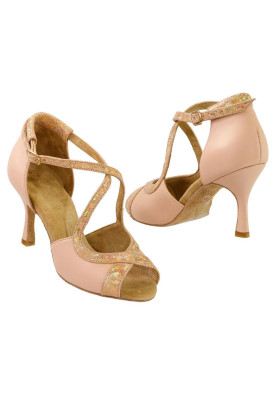
Galex - Light Pink- Heel - Slim 4-9 cm
$275.00CAD

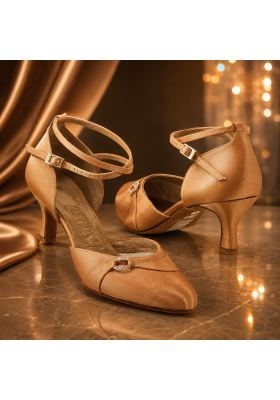
Galex - American Smooth
$250.00CAD
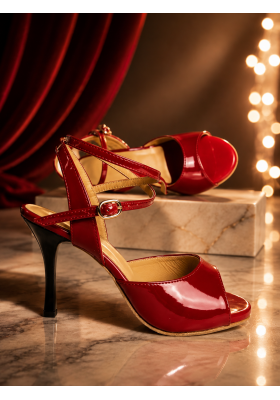
Galex - Tango Dance Shoes
$325.00CAD
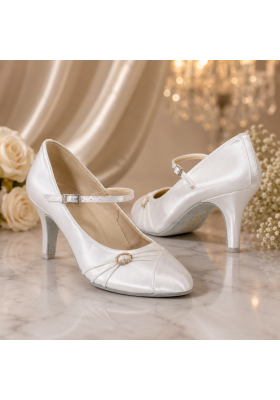
Galex - Wedding Dance White shoes 6cm Slim
$350.00CAD