


- 20 September, 2026
- 15
- 0
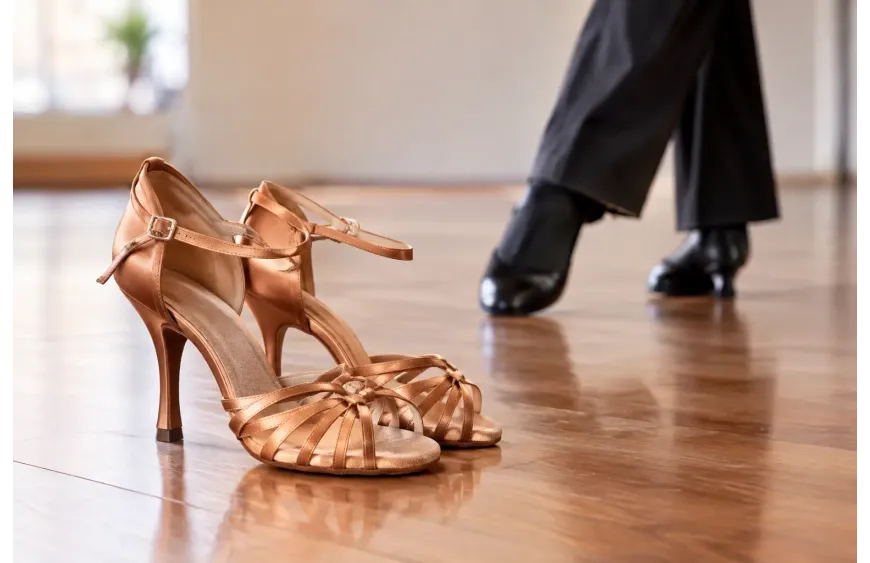
A long cha-cha combination tells you more about a shoe than a quick try-on ever will. In this Latin practice shoe review, the best option is not simply the pair that looks sleek out of the box. It is the shoe that lets you settle into your standing leg, turn without sticking, articulate through your feet, and walk out of class without sore toes or tired arches.
Latin practice shoes are made for repetition. They need to handle drills, technique classes, private lessons, social dancing, and rehearsal hours while giving you more support and coverage than a typical open-toe Latin sandal. For many dancers, they become the pair worn most often - which makes fit and construction worth getting right.
What a Latin Practice Shoe Should Do
A proper practice shoe sits between a performance shoe and an athletic sneaker. It should preserve the connection to the floor that Latin technique requires, but offer enough stability for the volume of dancing that happens before a showcase or competition.
The sole is the starting point. A suede or dance-specific sole allows controlled pivots and turns on an appropriate studio floor. It should glide when you initiate a turn, then give enough traction to finish with control. A rubber street sole may feel secure at first, but it can grip unexpectedly during rotation. That extra grip can place unnecessary torque through the knees and hips, especially during repeated spins, swivels, and Cuban motion exercises.
The upper matters just as much. Practice shoes often use leather, mesh, canvas, or a combination of flexible materials. A leather upper can offer structure and mold gradually to the foot. Mesh panels can help with breathability and make the shoe feel less restrictive through the forefoot. Neither is automatically better. A dancer who needs more containment may prefer a structured style, while someone with a wider forefoot or a high instep may appreciate a softer, more accommodating upper.
Latin Practice Shoe Review: The Features Worth Testing
The most useful review is the one you can perform on your own feet. Instead of judging a shoe only while standing still, test the movements you actually practice.
Start by transferring weight from foot to foot. Your heel should feel settled rather than loose, and the shoe should not slide sideways when you press into the inside edge of the foot. Next, point and flex through the ankle. The shoe should follow the foot without creating a hard crease across the toes or pinching the top of the instep.
Then try a few controlled turns. If the shoe catches, the sole may not suit your floor or may need light brushing. If you feel unstable, the issue may be heel fit, insufficient support through the upper, or a heel height that does not match your current technique. A good practice shoe does not do the dancing for you. It gives you enough feedback to use your feet correctly.
Heel height changes the experience
Ladies' Latin practice shoes are available in several heel options, from flatter training styles to low and moderate Latin heels. Lower heels are often a sensible choice for beginners, dancers returning after time away, teachers spending hours on the floor, and anyone building ankle strength. They can make long sessions more manageable while still allowing the body position needed for Latin dancing.
A slightly higher heel can be useful when you regularly dance in a heeled Latin shoe and want practice that feels closer to performance footwear. The trade-off is fatigue. If your calves tighten quickly, your weight shifts forward uncontrollably, or your knees lock, a lower heel may help you train better rather than merely train harder.
For men's Latin practice footwear, a stable Cuban heel and a close, secure fit are usually key. The shoe should allow clean pressure through the ball of the foot without feeling heavy or overly padded. Youth dancers also benefit from a stable, properly fitted practice shoe rather than an oversized pair intended to last several seasons.
Split sole or full sole?
Split-sole styles usually offer a more pronounced point, greater flexibility, and a closer-to-the-foot feeling. They can be a strong choice for dancers who want to develop foot articulation and prefer a lighter shoe. They also tend to feel familiar to dancers with experience in jazz, ballet, or other technique-focused footwear.
Full-sole practice shoes generally offer more support under the entire foot. They can feel steadier for new dancers, for long teaching days, or for dancers who want a little more structure. The right choice depends on your feet and your training goals. A highly flexible shoe is not always the best option if you are still learning to stabilize your ankles or manage your weight placement.
Fit Is More Than Your Usual Shoe Size
Dance shoes should fit securely, but secure does not mean cramped. Your toes need enough room to lengthen and spread slightly when you take weight, particularly during a forward walk or a checked action. At the same time, excessive space at the front encourages the foot to slide, which can make turns less controlled and cause rubbing.
Pay close attention to the heel counter. Your heel should stay in place during a backward step and when you rise onto the ball of the foot. A small amount of new-shoe firmness is normal, especially in leather, but sharp pressure, numbness, or immediate blistering are signs that the shape is not working for you.
Width deserves equal attention. A narrow dancer in a wide shoe may compensate by gripping with the toes. A wider dancer in a narrow shoe may feel pressure along the little-toe side or across the metatarsals. Both situations interfere with how the foot works. If one foot is slightly larger, fit the larger foot and use a discreet insert or adjustment only if needed for the smaller side.
For online orders, measure both feet at the end of the day and compare those measurements with the brand-specific size chart. Sizing can vary significantly between styles. Local dancers in the Toronto and GTA area can also benefit from an in-person fitting, where a few minutes of walking, pointing, and turning can reveal what a size number cannot.
Where Practice Shoes Work Best
A Latin practice shoe earns its place in regular training, but it is not designed for every surface or occasion. It performs best on clean indoor dance floors, studio flooring, and suitable social dance venues. Avoid wearing suede-soled shoes outdoors, on wet surfaces, or across rough pavement. Grit and moisture can quickly damage the sole and change how it moves on the floor.
They are especially practical for dancers who switch between salsa, bachata, cha-cha, rumba, and Latin ballroom classes. The closed or semi-closed construction offers more protection than a sandal when you are working in a busy class, while the dance sole keeps the movement quality closer to what these styles require.
For competition, many dancers still prefer dedicated Latin sandals or performance shoes. Practice shoes tend to prioritize comfort and durability over the open, leg-lengthening look of competition footwear. That is not a weakness. It is exactly why they are so useful during the many hours leading up to an event.
Care That Keeps the Sole Consistent
A practice shoe will feel better and last longer when it is treated as dance equipment, not everyday footwear. Brush a suede sole regularly with a shoe brush to remove compressed dirt and restore controlled traction. Keep the shoes in a breathable dance bag rather than leaving them in a sealed plastic bag after a warm class.
Let them dry fully between wears if they become damp, and rotate pairs when your schedule includes several long sessions each week. Check the heel tips, stitching, and sole edges periodically. Small repairs handled early are easier than continuing to dance in a shoe that has become uneven or unstable.
Dancewear Champions carries specialist practice and Latin footwear for dancers who want help sorting through heel heights, sole types, widths, and fit preferences. The goal is not to force every foot into one popular style. It is to find a pair that supports the way you actually dance.
The right practice shoe should fade into the background once the music starts. You should notice your timing, your connection, and the next figure - not the pressure at your toes or the fear that your shoe will catch on a turn. That quiet confidence is a worthwhile standard for any pair you choose.
Tags Latin practice shoe, practice shoe, practice shoes, dance practice shoe
Related Products
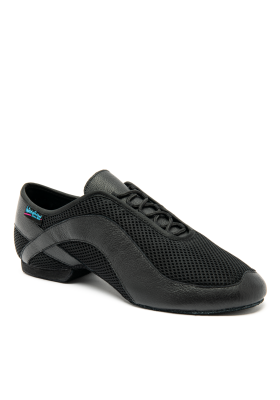
Sale
IDS - JAZZ - AIRMESH/BLACK
$198.00CAD $168.00CAD
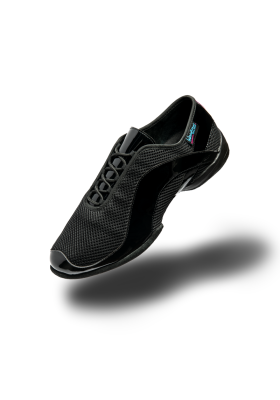
Sale
IDS - TEMPO - AIRMESH/BLACK PATENT
$229.00CAD $200.00CAD
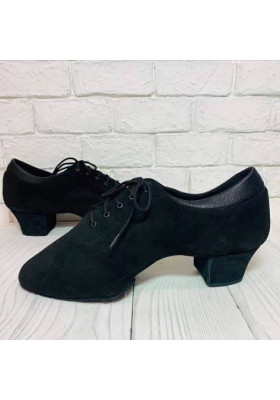
Galex - Black Nubuck - Heel 4cm
$225.00CAD


-280x400.webp "IDS - Heather-Split Black Silver Hologram - 1.5\" heel")
-280x400.webp "IDS - Heather Split-Sole - BluePinkPanther - 1.5\" heel")