


- 21 August, 2026
- 98
- 0
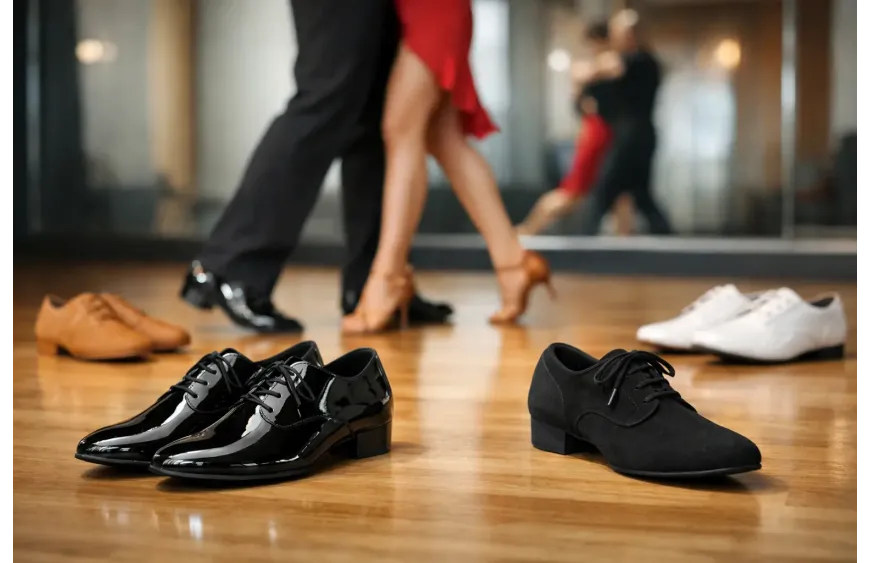
A dance shoe that slips, sticks, or pinches can make even familiar steps feel uncertain. If your search history reads “men's dancing shoes near me, mens dancing shoes, mens dance shoes , dance shoes boys , professional men dancing shoes,” the goal is not simply to find a black shoe in your size. The right pair should match the dance style, floor, frequency of use, and the dancer’s level.
For ballroom, Latin, salsa, bachata, social dancing, teaching, and competition, proper footwear changes how a dancer moves. It supports cleaner footwork, controlled turns, confident posture, and a more polished line. For boys and first-time adult dancers, it also helps build sound habits from the start.
Start With the Dance Style, Not the Shoe Color
Men’s dance shoes can look similar from a distance, but their construction is designed for very different movement. A standard ballroom shoe is not automatically the best choice for a Latin class, and a comfortable social shoe may not provide the responsiveness a competitive dancer needs.
For ballroom standard and American smooth, dancers commonly choose a closed-toe shoe with a low, stable heel. The shape is sleek enough for formal presentation, while the heel and flexible sole support long strides, heel leads, pivots, and controlled movement in hold. A traditional black leather ballroom shoe is versatile for lessons, socials, showcases, and many competition settings.
Latin and rhythm dancers generally need more flexibility through the forefoot. A men’s Latin shoe often has a higher Cuban heel than a standard shoe, helping create the poised body position and sharper leg action associated with cha-cha, rumba, samba, jive, and paso doble. The shoe should allow the ball of the foot to articulate clearly without feeling loose during fast weight changes.
For salsa and bachata, the best choice depends on where and how often you dance. A flexible Latin-style shoe can feel excellent for technique and spinning on a proper dance floor. A social dance shoe may be the better all-around option for dancers who attend varied venues and want comfort for extended evenings. If you are moving between studio classes, restaurant floors, and community socials, ask about a sole that suits your most common surface.
Why the Sole Matters So Much
The sole is what separates real dance footwear from ordinary dress shoes. Most ballroom and Latin shoes use suede soles because suede provides controlled glide. It lets a dancer pivot, turn, and travel without the sudden grip that can stress knees and ankles.
Suede does need care. It can pick up dirt, become smooth over time, and lose its ideal traction if worn outdoors. A shoe brush restores the nap and helps maintain a more consistent connection to the floor. Keep dance shoes for indoor use whenever possible, and carry them to the studio or venue rather than wearing them from the parking lot.
Some dancers need a more durable option for regular social use or teaching in mixed environments. That can be a sensible trade-off, but too much grip is not automatically safer. A sole that catches during a turn can be harder on the joints than one that allows a measured pivot. Consider the floor you use most often instead of choosing solely by appearance.
How Men’s Dance Shoes Should Fit
A well-fitted dance shoe should feel secure from the first wear. It may be snug, particularly across the width of the forefoot, but it should not cause numbness, sharp pressure, or curled toes. Unlike a casual sneaker, a dance shoe should not leave extra room for the foot to slide forward during turns.
Length is the first checkpoint. Your longest toe should sit close to the end without pressing into it. Next, check the heel: it should stay in place as you walk, rise onto the balls of your feet, and take a few small turns. A lifting heel usually means the fit is too large, too wide, or not shaped correctly for your foot.
Leather shoes may soften and give slightly in width as they are worn, but they do not meaningfully stretch in length. Do not buy a shoe that is short in the hope that it will break in. If one foot is larger than the other, fit the larger foot and use an appropriate insert only if it maintains a secure feel.
When trying on a pair, do more than stand still. Mimic a forward step, a side step, a small lunge, and a controlled pivot. Notice whether the shoe bends with your foot at the ball, whether the arch feels supported, and whether the toes remain relaxed. These simple checks reveal far more than a quick walk across a showroom floor.
Choosing Professional Men Dancing Shoes
Professional men dancing shoes are built for dancers who need reliable performance under pressure. The difference may be subtle in photos, but it becomes clear during repeated practice, long competition days, and demanding choreography. Look for a streamlined fit, a balanced heel, a flexible yet supportive shank, and materials that hold their shape.
Competition needs can vary by category and event rules. A standard dancer may prioritize a clean, classic closed shoe that complements formal attire. A Latin competitor may prefer a higher heel and a more sculpted profile to sharpen line and posture. Teachers often need a dependable style that remains comfortable through hours of demonstrating steps, walking the floor, and working with students.
The most expensive shoe is not always the right professional choice. A dancer with a wider forefoot, a sensitive Achilles area, or a lower-volume foot may need a particular cut rather than a particular label. Fit comes first because a technically advanced shoe cannot perform properly when the dancer is distracted by discomfort.
Dance Shoes for Boys Need Room to Learn
Dance shoes for boys should support developing technique without making movement feel overly formal or restrictive. For young dancers in ballroom and Latin programs, a secure closed shoe with a low heel is often the most practical starting point. It provides a stable base for learning posture, foot placement, and turns.
Parents should avoid buying far too large “for growing room.” Extra length can cause tripping, poor balance, and heel movement, especially during quick directional changes. A small amount of reasonable growing space may be appropriate, but the shoe still needs to hold the foot securely today.
Youth competition rules can set specific requirements for heel height, shoe style, or color depending on the age category and event. Check the applicable rules before purchasing for a competition, particularly if the dancer is moving into a new age division. For practice and classes, comfort, stability, and a clean fit usually matter most.
Boys who dance several times each week may benefit from having one pair reserved for studio use and another for performance or competition. This keeps the presentation pair in better condition and reduces wear on suede soles.
Shopping Locally or Ordering Online
Searching for men’s dancing shoes near me often means you need answers before your next class, social, showcase, or competition. An in-person fitting is especially valuable for a first pair, a change in dance discipline, or a dancer who has struggled with heel slip, wide feet, or pressure across the toes.
At Dancewear Champions in Thornhill, local dancers can receive personal fitting guidance in a dedicated dancewear setting. This is useful when comparing heel heights, testing flexibility, or selecting footwear for a young dancer whose size is changing. Accessible parking and an appointment-style boutique experience make it easier to take the time a proper shoe fitting deserves.
Online shopping can work well when you know your preferred brand, style, and size. Measure both feet at the end of the day, compare the measurement with the relevant size chart, and consider whether your prior dance shoes felt narrow, long, or true to size. Read the style description closely because heel height, materials, and fit can differ between ballroom, Latin, practice, and social options.
Make the Shoe Work for You
The best men’s dance shoe helps you forget about your feet so you can focus on timing, connection, and movement. Choose ballroom shoes for grounded elegance in standard and smooth, Latin shoes for flexibility and expressive action, and practical social or teaching styles for the way you actually dance each week.
A few careful minutes spent checking fit, sole, heel, and purpose can prevent months of uncomfortable practice. Whether you are buying a first pair for a boy starting lessons or selecting professional footwear for the competition floor, a properly chosen shoe gives every step a stronger foundation.
Tags men's dancing shoes near me, mens dancing shoes, mens dance shoes, dance shoes boys, professional men dancing shoes