

- 23 August, 2026
- 214
- 0
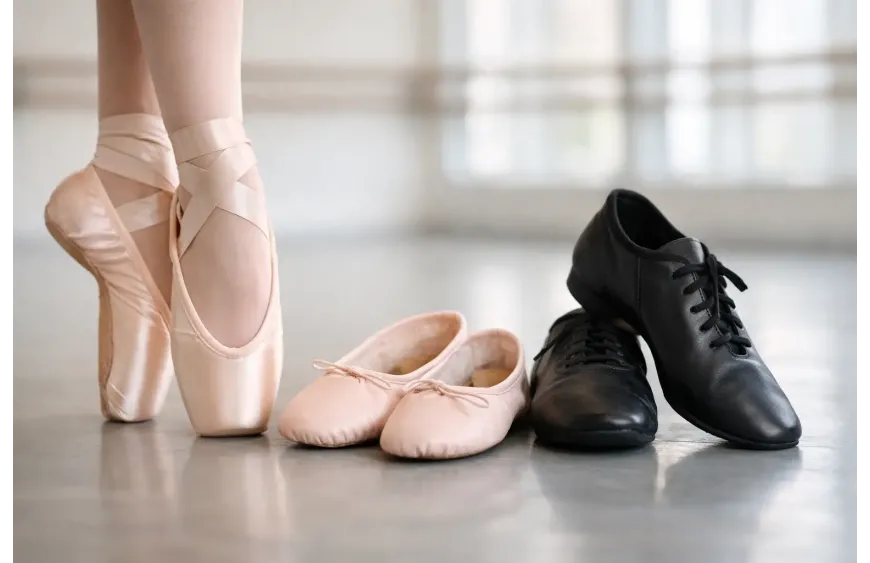
A dance shoe can look right and still be wrong for the job. A ballet slipper that is too loose can make a young dancer work harder to point their foot. A jazz shoe with the wrong sole can catch on the floor. And pointe shoes chosen before a dancer is ready can create far bigger problems than a disappointing fit. Whether your search starts with “pointe shoes, ballet shoes, ballet slippers, jazz shoes, ballet and dance shoes, i love dance shoes,” the best choice comes down to discipline, floor, fit, and the work your feet need to do.
For dancers and families, footwear is not an accessory added at the end of an outfit. It is the equipment that connects every step, turn, jump, and line to the floor. The right pair supports technique and helps a dancer feel secure. The wrong pair can distract from class, rehearsal, or a performance before the music even starts.
Start With the Dance You Are Actually Doing
It is tempting to buy one pair of shoes for every class. In most cases, that shortcut creates more frustration than savings. Ballet, jazz, ballroom, Latin, social dance, and practice work ask for different movement, different levels of foot articulation, and different contact with the floor.
Ballet footwear needs to show the line of the foot while allowing the dancer to articulate through demi-pointe. Jazz shoes need controlled grip and flexibility for traveling steps, kicks, and quick changes of direction. Ballroom and Latin shoes are built around partner dancing, turns, weight transfer, and a dance floor that requires a suede sole rather than a sticky outdoor sole.
Before choosing a style, consider where the shoes will be worn most often. A studio class, a theatre stage, a competition ballroom, and a social dance night can all call for a different shoe. This is especially true for adults who take several styles of dance each week. Your Latin shoe may be ideal for cha-cha and rumba, but it is not automatically the right choice for ballet barre or jazz technique class.
Ballet Shoes and Ballet Slippers: What Is the Difference?
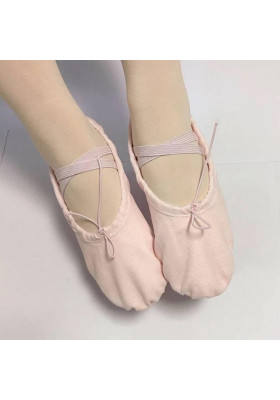
In everyday dancewear language, ballet shoes and ballet slippers usually mean the same thing: a soft shoe worn for ballet class, rehearsal, and some performances. They are commonly available in leather or canvas, with full soles or split soles.
Leather ballet slippers are often a practical first choice for younger dancers. They tend to be durable and provide a little more structure while children are learning foot placement and classroom routines. Canvas slippers are lightweight, breathable, and closely shaped to the foot. Many intermediate and advanced dancers prefer them because they create a clean line and offer a more minimal feel.
The sole matters as much as the upper. A full-sole ballet slipper offers consistent contact under the foot and is often requested for beginner classes. A split-sole slipper separates the front and heel pads, allowing the arch to show more clearly when the foot points. Neither is universally better. Follow the school’s dress code first, then choose based on the dancer’s stage of training and comfort.
Fit should be secure without painfully compressing the toes. There should not be empty space at the end of the shoe, but toes also should not curl under. A properly fitted ballet slipper looks smooth across the forefoot and heel, with no bunching at the arch. Elastic placement, drawstrings, and width all affect how the shoe sits on the foot.
A Note on Ballet Shoe Color and Construction
Many recreational ballet programs specify pink, beige, tan, or black shoes, while performance requirements may be even more specific. Check before removing tags or sewing elastics. Some schools also specify leather versus canvas and full sole versus split sole.
For dancers seeking a closer skin-tone match, selecting a shade that complements the legwear or costume helps create an uninterrupted line on stage. This is a small detail with a visible effect, particularly in group performances where uniformity matters.
Pointe Shoes Need More Than a Size
Pointe shoes are a specialized tool, not simply the next version of a ballet slipper. They have a structured box to support the toes, a shank that supports the arch, and a platform for dancing en pointe. Because feet, strength, alignment, and training history vary dramatically, pointe shoes should be selected only when a qualified ballet teacher has confirmed that the dancer is ready.
Readiness is not based on age alone. A dancer needs sufficient technique, strength, turnout control, ankle mobility, and consistent training. Beginning pointe work too early, or in a shoe that does not match the foot, can compromise alignment and make it difficult to work safely.
A proper pointe fitting considers much more than length. The fitter looks at toe shape, forefoot width, heel shape, arch profile, compressibility of the foot, and how the dancer stands and rolls through the shoe. The correct box width and vamp length can be very different for two dancers who wear the same street-shoe size.
Pointe shoes also change over time. As a dancer gains strength, grows, or increases training hours, the model and support they need may change. Padding, toe spacers, ribbons, and elastics should be chosen to address a specific fit need, not added automatically. More padding is not always more comfortable if it leaves too much room inside the box.
Choosing Jazz Shoes for Movement and Floor Feel
Jazz shoes are designed for dancers who need to point, flex, slide, turn, and travel with speed. They are common in jazz classes, musical theatre, lyrical work, and stage choreography. Most have a low profile and a split sole or flexible sole that follows the shape of the foot.
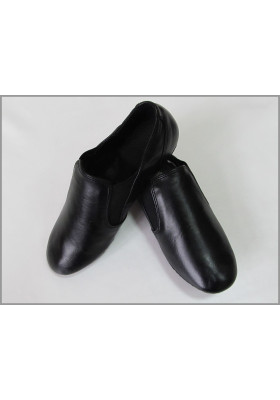
Leather jazz shoes often offer a close, supportive feel and may stretch with wear. Canvas styles are light and breathable, which can be welcome during long rehearsals. Slip-on designs create a sleek line, while lace-up jazz shoes allow more adjustment through the instep and may suit dancers who need a more secure fit.
Pay attention to the sole material. A rubberized sole offers traction and flexibility, while a suede or leather patch may help with controlled turns depending on the style. The floor plays a major role here. A shoe that feels perfect on a marley studio floor may respond differently on a polished stage or gym floor. Keep dance shoes for indoor dance use whenever possible. Walking outdoors in them wears down the sole, tracks debris into the studio, and changes the grip dancers depend on.
Ballet and Dance Shoes for Every Stage of Training
The right dance shoe should serve the dancer’s current needs, not an imagined future level. For a first ballet class, the goal is usually a comfortable, school-approved slipper that stays in place. For a serious ballet student, details such as sole construction, width, and material become more significant. For a theatre or jazz dancer, flexibility and dependable floor contact may take priority.
When comparing ballet and dance shoes, use this quick fitting check before committing to a pair:
- The heel sits flat and does not slip when the dancer rises or bends the knees.
- The toes lie naturally without curling, pinching, or excess length in front.
- The shoe follows the foot without deep wrinkles across the arch or sides.
- The dancer can point, flex, and transfer weight without fighting the shoe.
- The required color, material, and sole style match the school, studio, or event guidelines.
For children, it is reasonable to allow a very small amount of growing room, but a visibly oversized shoe is not a good investment. Extra fabric and loose heels interfere with clean technique. Adults should also avoid sizing up simply because a shoe feels unfamiliar. Dance footwear is meant to fit differently from casual sneakers, though it should never cause sharp pain or numbness.
Do Not Treat Ballroom Shoes Like Street Shoes
A dancer building a wardrobe across disciplines may own ballet slippers for technique class, jazz shoes for choreography, and separate shoes for ballroom or Latin. That separation matters. Ballroom and Latin shoes typically use suede soles to permit smooth movement and controlled turns on an appropriate dance floor. They are not made for pavement, wet conditions, or everyday errands.
For social dancing, practice, teaching, showcases, and competition, heel height and stability deserve careful thought. A beginner may prefer a lower, more stable heel, while an experienced dancer may select a style that suits their technique and presentation. Fit at the heel, toe box, and straps is essential, particularly for longer dance sessions.
Dancewear Champions helps dancers and families sort through these practical differences with a broad selection of footwear and personal fit guidance in Thornhill. Bringing the studio’s dress-code requirements, or knowing the dance style and intended use, makes the process faster and more accurate.
A good pair of shoes should disappear once the music starts. You should notice the timing, the floor, your partner, and the joy of the movement - not a slipping heel, cramped toes, or a sole that will not let you turn.
Tags pointe shoes, ballet shoes, ballet slippers, jazz shoes, ballet and dance shoes, i love dance shoes
Related Products

Ballet Pointe Shoes
$75.00CAD
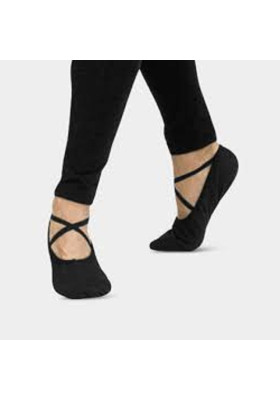
Jazz Dance Shoes - Black
$75.00CAD
Sale
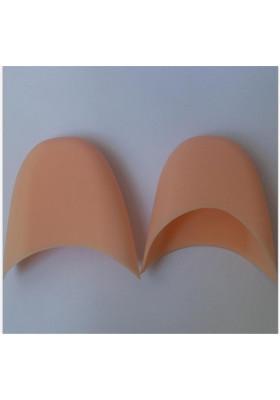
Silicon Toe Pads
$25.00CAD $20.00CAD

Jazz Dance Shoes - Beige
$75.00CAD
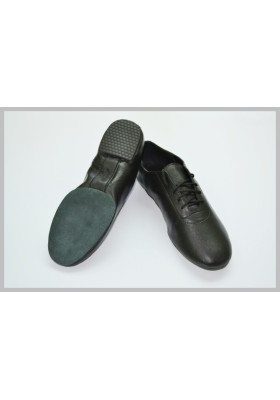
Jazz Dance Shoes - Black with laces
$75.00CAD
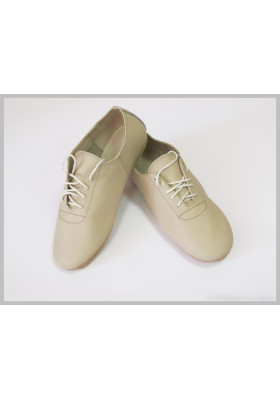
Jazz Dance Shoes - Beige with laces
$75.00CAD