


- 07 November, 2026
- 13
- 0
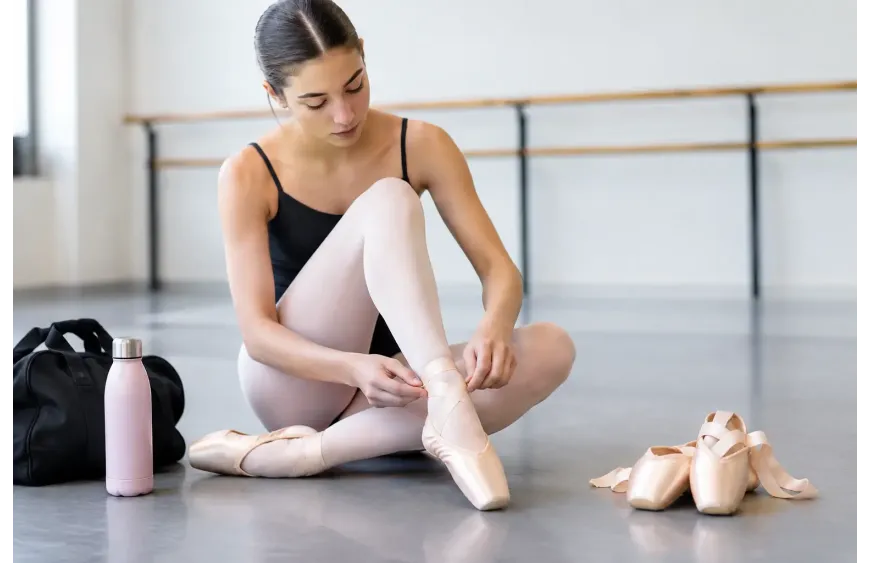
A dancer’s first pair of pointe shoes is exciting, but it should never be a quick online purchase based on a street-shoe size. The most common pointe shoe questions are really about readiness, fit, and comfort: Is it time? Should they hurt? How snug is too snug? Getting clear answers before the fitting helps dancers and parents make a confident, safe choice.
Pointe work places very different demands on the feet than ballet flats. A properly selected shoe supports the foot, works with the dancer’s technique, and allows the dancer to articulate through the foot and stand correctly on the platform. It is a technical piece of dance footwear, not simply a satin shoe for performances.
Pointe Shoe Questions About Readiness
The first question is usually, “When can I go on pointe?” There is no universal birthday, grade level, or shoe size that answers it. Readiness depends on the dancer’s training history, strength, alignment, foot and ankle mobility, and consistency in ballet class.
A ballet teacher should guide this decision. In many cases, a teacher will want to see sustained ballet training, good core strength, controlled turnout, stable ankles, and the ability to work through the feet without rolling in or sickling. A dancer also needs the focus to follow instructions carefully. Pointe work asks for precision every time they rise, lower, turn, and land.
Parents may hear that a dancer’s feet must be fully grown before pointe work. That is not always the deciding factor, but growth does matter. Young dancers can change shoe sizes and foot shapes quickly, so fit should be checked regularly. A teacher’s approval and a professional fitting are the right starting points.
Is pain normal in pointe shoes?
Some pressure, effort, and adjustment are normal, especially when a dancer is learning how to use a new shoe. Sharp pain, numbness, burning, rubbing that creates blisters, or a feeling that the toes are being crushed are not signs of a successful fit.
Pointe shoes are close-fitting by design, but they should not force the foot into a distorted position. The dancer should be able to stand on the platform with the toes supported, the heel properly held, and the foot aligned rather than sinking, twisting, or rolling sideways. Tell the fitter about any discomfort during the appointment. Small fit changes can make a meaningful difference.
What Happens at a Pointe Shoe Fitting?
A proper fitting is hands-on. The fitter looks at more than length and width. They assess the shape of the toes, the width and taper of the forefoot, arch profile, heel shape, instep, flexibility, and the way the dancer stands en pointe. Two dancers with the same street-shoe size can need completely different pointe shoe shapes.
The dancer should arrive with clean, bare feet and bring the toe pads or other accessories their teacher recommends. If possible, wear the same tights typically used for class. A dancer should also bring a note from the teacher if the studio has preferences regarding shoe style, ribbon color, elastic placement, or drawstring rules.
During the fitting, the dancer will try more than one option. This is normal and useful. A shoe may look beautiful from the outside but fail to support the dancer’s foot when they rise onto pointe. The fitter will check the shoe flat and en pointe, watching whether the platform sits level, the box contains the toes without excess space, and the heel remains secure.
For dancers in Toronto, Thornhill, and the GTA, an in-person fitting offers the advantage of immediate feedback. Dancewear Champions can provide personal shoe-fitting guidance so dancers and parents can ask questions, compare the feel of suitable options, and leave with a clearer understanding of how the shoe should perform.
What should a correctly fitted pointe shoe feel like?
A well-fitted pointe shoe should feel snug and supported, not roomy. The toes should lie comfortably inside the box without curling under or being compressed against one another. There should not be a large pocket of empty space at the end of the shoe, since that can let the foot slide down and increase pressure on the toes.
On pointe, the dancer should feel balanced over the platform instead of pitched forward or pulled backward. The vamp should support the foot without cutting into the top of the toes, and the wings should help contain the sides of the forefoot. The heel should stay in place without gaping or slipping.
That said, “perfect” can look different from one foot to another. Dancers with compressible feet may need a different fit approach than dancers with firm, square toes or a very tapered toe shape. This is why trying on a friend’s shoe or ordering a first pair by appearance alone rarely works well.
Choosing Pads, Ribbons, and Elastic
Accessories affect fit. Toe pads can cushion the toes and reduce friction, but a very thick pad can take up too much room inside the box. A dancer should wear the pad they intend to use while being fitted. Some dancers prefer gel pads, while others need only a thin fabric cover or minimal protection. The best choice depends on toe shape, sensitivity, and available room in the shoe.
Ribbons and elastic help keep the shoe aligned with the foot. They should be sewn according to the dancer’s needs and the studio’s expectations, not simply attached in the same location for everyone. Elastic can help prevent heel slippage, while ribbons provide support around the ankle when tied correctly.
Do not tie ribbons so tightly that they restrict circulation or create deep marks. They should feel secure enough to support the shoe, yet allow the dancer to move through demi-pointe and pointe with control. If the shoe continually twists or slips despite correctly placed ribbons and elastic, the underlying fit may need to be reassessed.
Breaking In Pointe Shoes Without Breaking Them Down
New pointe shoes should be prepared carefully. Many dancers want to soften the shank or box right away, but aggressive breaking-in can shorten the life of the shoe and remove support before the dancer has even worn it in class. Never cut, wet, crush, hammer, or radically alter a first pair unless the teacher and fitter have specifically advised it.
Instead, begin with the preparation recommended by the studio. Sew ribbons and elastic securely, check that the drawstring is tucked away, and wear the shoes only for approved exercises at first. The teacher can decide when the dancer is ready for center work, turns, or more demanding choreography.
Pointe shoes wear out according to the dancer’s strength, foot shape, frequency of use, floor surface, and perspiration. A stronger dancer may break down a shank quickly, while another may notice the box softening first. Once the shoe no longer supports the dancer, it is no longer the right shoe for active pointe work, even if the satin still looks presentable.
Caring for Pointe Shoes Between Classes
Pointe shoes need to dry completely after every use. Take them out of the dance bag, loosen the ribbons, and allow air to circulate. Keeping damp shoes sealed in a bag can soften the materials prematurely and create unwanted odor.
Avoid leaving them in a hot car, near a radiator, or in direct heat. Excess heat can damage the structure and adhesives. If the shoes are worn frequently, alternating between two pairs may help each pair dry more thoroughly, although the right approach depends on the dancer’s schedule and teacher’s guidance.
Inspect the shoes often. Look for a softened box, unstable platform, cracking shank, loose stitching, worn satin at the toe, or a change in how the dancer feels while balancing. Marking right and left shoes, if recommended by the teacher, can also help dancers monitor wear patterns.
A first pointe shoe fitting is not a test a dancer has to pass alone. Bring the teacher’s guidance, ask every question that comes up, and pay attention to what the feet are saying. The right pair should let a dancer focus less on fighting the shoe and more on building strong, beautiful technique.
Related Products

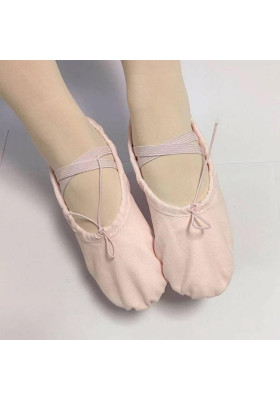
Ballet Pointe Shoes
$75.00CAD
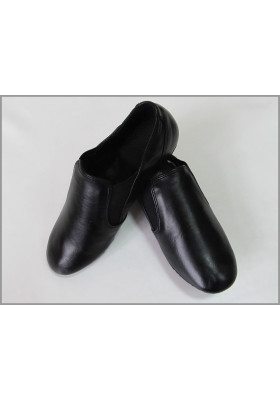
Jazz Dance Shoes - Black
$75.00CAD
Sale
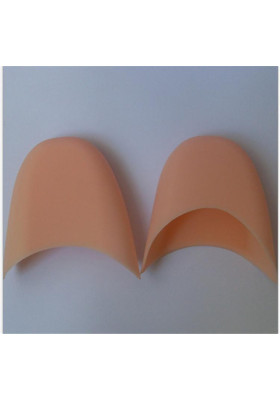
Silicon Toe Pads
$25.00CAD $20.00CAD

Jazz Dance Shoes - Beige
$75.00CAD