


- 05 September, 2026
- 16
- 0
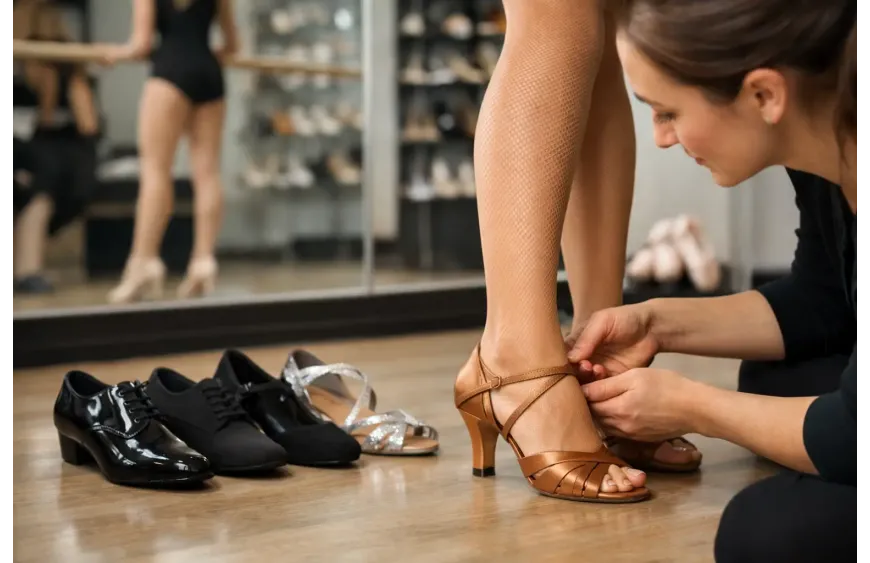
A proper Toronto dance shoe fitting is about much more than matching a street-shoe size. The right pair should let you feel the floor, point your foot naturally, turn with control, and dance through a full class or social without distracting pressure. Whether you are buying your first salsa shoe, preparing for a ballroom showcase, or replacing a well-loved competition pair, fit affects comfort, technique, and confidence.
Dance shoes are made differently from everyday footwear. Their materials, soles, heel placement, toe shape, and degree of flexibility are designed for specific movements. That is why a shoe that looks beautiful on the shelf can still be the wrong choice if it shifts at the heel, squeezes the toes, or does not suit the dance style you actually do.
Why a Toronto Dance Shoe Fitting Matters
Many dancers begin by assuming their usual shoe size is the answer. It is a useful starting point, but not a final decision. Dance-shoe sizing can vary between brands and styles, and soft leather, satin, canvas, and stretch fabrics each respond differently once they are worn. A close fit may be correct in a leather Latin sandal that will soften with use, while the same level of tightness in a closed-toe ballroom shoe may create avoidable discomfort.
A good fitting considers how the shoe behaves when you move, not only when you stand. Your foot should sit securely in the shoe without gripping with your toes. The heel should stay in place through a backward step, a turn, and a rise-and-fall action. At the front, your toes need enough room to articulate without sliding forward or hanging over the edge of an open-toe design.
For local dancers, personal fitting is especially helpful when there is a deadline ahead: a first lesson, wedding dance, showcase, social event, or competition. Trying options in person in the Toronto area gives you the chance to compare heel heights, widths, straps, and soles with knowledgeable guidance rather than relying on a size number alone.
Start With the Dance Style, Not the Shoe Color
The most flattering shoe is not always the most functional one. Start by identifying where and how you will dance. Ballroom and standard dancers usually need a different feel from Latin, salsa, bachata, American smooth, or social dancers.
Ballroom and Standard Shoes
Ballroom shoes are commonly closed at the toe and designed to support smooth traveling, pivots, and controlled heel leads. Ladies may prefer a closed-toe court shoe or a style with a stable, balanced heel. Men often need a ballroom shoe with a supportive shape and a suede sole that allows clean movement without being slippery.
The fit should feel secure across the instep and around the heel, but not rigid. If the shoe collapses at the sides, lifts at the heel, or leaves excess space around the toes, it can make footwork less precise. For dancers who spend long practice sessions working on waltz, foxtrot, tango, or quickstep, comfort and dependable support often matter more than choosing the highest heel.
Latin, Salsa, and Bachata Shoes
Latin footwear is generally more flexible and often more open through the toes. It is built to show the line of the foot and support quick weight changes, spins, and sharper leg action. A well-fitted Latin sandal should hold the foot firmly through the ball of the foot and heel, even when you point, settle into a hip action, or turn repeatedly.
Straps are functional, not just decorative. They should keep the foot centered over the sole without digging into the skin. If your toes creep too far forward, a tighter strap arrangement or a different toe shape may work better than simply choosing a smaller size. If you have a wider forefoot, forcing it into a narrow sandal can affect balance and shorten the life of the shoe.
Practice, Teaching, and Social Dance Shoes
Practice and teaching shoes can be the most practical pair in a dancer's collection. They are often more cushioned, more supportive, and lower in heel than competition styles. For instructors and dancers who spend hours on their feet, this can make a real difference.
Social dancers have more flexibility in their choice. The best option depends on the floor, the dance styles, and how long you expect to wear the shoes. A suede sole is excellent for many studio floors, while a shoe with a more durable sole may make sense for certain event spaces. If you are unsure, describe your regular dance setting during your fitting rather than choosing based on appearance alone.
What a Well-Fitted Dance Shoe Should Feel Like
A dance shoe should feel close to the foot, but it should not cause numbness, sharp pinching, or a feeling that you need to break it in by suffering through several classes. Some materials will relax slightly, particularly leather, but shoes do not usually become longer. If your toes are firmly pressed against the end when you stand, sizing up or choosing a different shape is often the better decision.
Pay attention to these areas during a fitting:
- Heel security: Your heel should remain seated when you walk, rise, lower, and turn.
- Toe placement: Your toes should be supported without being cramped, curled, or pushed beyond the sole.
- Instep pressure: Straps and closed uppers should feel secure without restricting circulation.
- Arch and sole contact: The shoe should follow your foot's natural shape so you can use the floor clearly.
- Balance: The heel height and placement should allow you to stand and move with control.
It is normal for a dance shoe to feel more fitted than a sneaker. It is not normal to lose feeling in your toes or feel unstable before you have even danced. Bring or wear the type of hosiery you expect to use, especially for closed ballroom shoes. If you use orthotics or need particular support, mention that early, as it may influence the style that works best.
Heel Height Is a Technique Choice
Higher heels can create a longer visual line and may be appropriate for experienced dancers, performance wear, or competition. They also change your center of balance and place more demand on the feet, ankles, calves, and core. A heel that looks manageable while standing may feel entirely different during a full routine.
Beginners often benefit from a lower, stable heel while they build strength and learn how to transfer weight. This is not a compromise in style. It is a smart way to develop confidence and protect your focus in class. More experienced dancers may choose different heel heights for practice, social dancing, and performance because each setting asks something different from the body.
Men's shoes also require thoughtful selection. The right heel height, toe shape, and width can affect posture, balance, and comfort in both ballroom and Latin dance. Youth dancers need shoes that fit their present foot shape without excessive room to grow. A loose shoe can interfere with clean technique and stability.
Make the Most of an In-Person Fitting
Feet can swell later in the day, so an afternoon or evening appointment can provide a more realistic sense of fit. Arrive with an idea of your primary dance style, but stay open to trying more than one design. Two shoes in the same size can feel surprisingly different once the strap placement, upper material, or sole shape changes.
Walk in the shoes, then recreate simple dance actions. Rise onto the ball of the foot, take a few side steps, check a gentle pivot, and notice whether the shoe stays with you. A patient fitting should leave room for these small tests. It is also useful to ask about care. Suede soles, heel tips, buckles, and satin uppers each need attention to keep a pair performing well.
Dancewear Champions offers personalized shoe fitting in Thornhill for dancers who want to compare specialist options with one-to-one guidance. That support can be particularly reassuring for first-time buyers, parents fitting youth dancers, and competitors refining a performance look.
Know When It Is Time to Replace Your Shoes
Even a correctly fitted shoe will eventually wear out. Watch for a tilted heel, a thinning or uneven sole, stretched straps, reduced support, or a fit that has become loose after extensive use. Heel tips should be replaced before the underlying heel is damaged, and suede soles should be maintained so they continue to provide the right amount of traction.
Your needs can change, too. A dancer moving from beginner classes into showcases may want a more specialized pair. Someone who has changed dance styles, developed a foot concern, or increased weekly training may need a different fit than the one that worked a year ago. Let your current movement and goals guide the choice.
The right dance shoe should quietly support your dancing instead of demanding your attention. When your heel feels stable, your toes can work freely, and the shoe suits your style and floor, you are free to focus on the music, your partner, and the next step.
Tags dance shoe fitting, flexible footwear for ballroom, flexible footwear for Latin, flexible footwear for social dancing, practice, teaching
Related Products

IDS - Mia - Tan Satin - 2" Heel
$244.00CAD

Galex - Emma - Tan-Satin - Heel - Slim 8cm
$225.00CAD
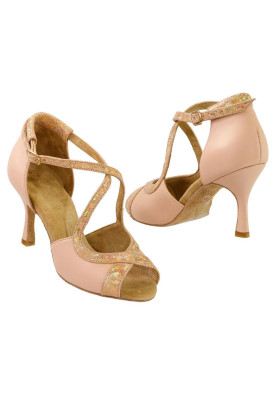
Galex - Light Pink- Heel - Slim 4-9 cm
$235.00CAD

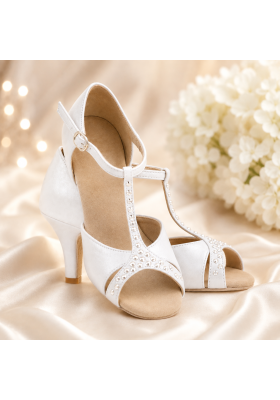
Galex - Wedding Dance White shoes 7cm Slim
$350.00CAD
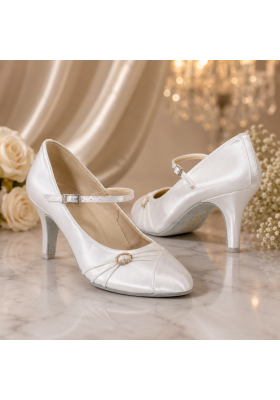
Galex - Wedding Dance White shoes 6cm Slim
$350.00CAD