


- 19 November, 2026
- 15
- 0
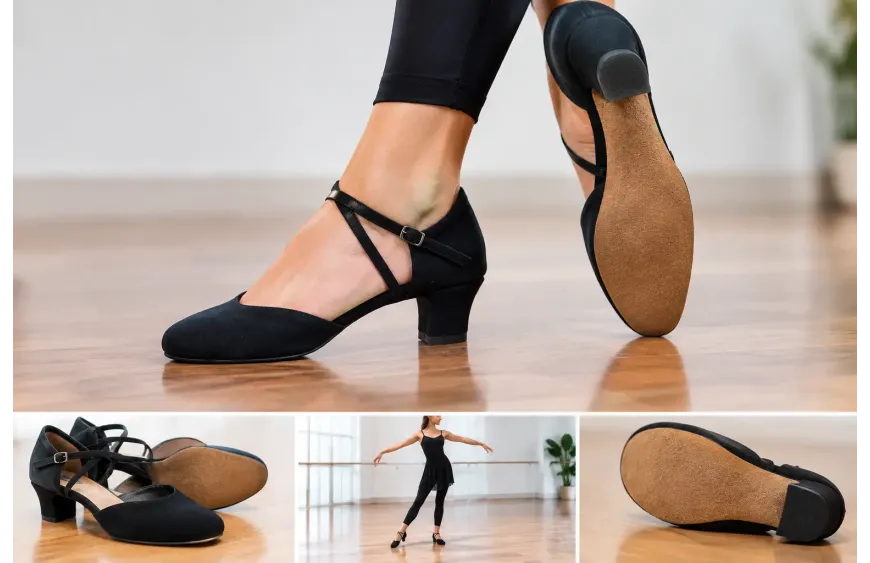
A proper dance shoe can feel surprisingly different from a dress shoe the first time you wear one. Instead of gripping the floor hard with rubber, it lets you move, turn, and stop with controlled ease. That is the answer to why dance shoes have suede: dancers need a sole that provides traction without preventing the foot from rotating.
For ballroom, American smooth, Latin, salsa, bachata, and many social dance styles, suede soles are a functional part of the shoe, not simply a traditional finishing detail. They help dancers maintain balance, protect joints during turns, and create the connection to the floor needed for clean technique.
Why Dance Shoes Have Suede Soles
Dance requires a carefully balanced amount of friction. Too little grip and a dancer may slide unexpectedly. Too much grip and the foot can stick while the body keeps moving. This is especially noticeable during spins, pivots, chassés, swivels, and traveling turns.
A suede sole sits in the middle. Its soft nap grips a suitable dance floor enough to support weight transfer, yet it can glide when the dancer needs to turn. The result is controlled movement rather than a sudden stop or a slippery slide.
Rubber-soled street shoes are made for sidewalks, wet pavement, and everyday stability. On a dance floor, that strong grip may make turning feel difficult. If the foot stays planted while the knee, hip, or ankle rotates above it, the joints can take unnecessary twisting force. A suede sole allows the foot to release more naturally during rotation.
This does not mean suede makes a dancer spin automatically. Technique, posture, core control, foot placement, and the floor itself still matter. What suede does is give the dancer a more appropriate tool for learning and performing those movements.
The Balance Between Grip and Glide
The texture of brushed suede creates friction through thousands of small fibers. When weight is placed into the shoe, those fibers engage with the floor. When the dancer pivots with proper pressure and alignment, the sole can move across the surface rather than locking in place.
That balance is useful in different ways across dance styles. A ballroom or standard dancer needs reliable travel through the room and controlled rotation in figures such as natural turns and reverse turns. A Latin dancer often needs a stable standing leg while the free leg works quickly, plus the ability to swivel and turn sharply. Social dancers benefit from the same predictability, particularly when adapting to a partner, a crowded floor, or unfamiliar music.
The best amount of grip is not identical for every dancer. A beginner may initially prefer a sole with slightly more resistance because it feels secure. An experienced competitor may maintain a more responsive sole for fast turns and precise floorcraft. Body weight, technique, floor finish, humidity, and the style of dance all affect what feels right.
Why ordinary shoes can work against technique
Many new dancers start in sneakers, boots, or low-heeled dress shoes because they are readily available. For a first casual lesson, that may be fine if the shoes are secure and comfortable. But as turning patterns become more frequent, everyday footwear can become limiting.
Sneakers often have deep rubber tread designed to stop movement. Some casual shoes have loose uppers, thick cushioning, or soles that bend in the wrong places. These features can make it harder to point the foot, articulate through the ball of the foot, feel the floor, or maintain a clean line.
Dance shoes are built with the movements dancers repeat. In addition to suede soles, many ballroom and Latin styles use flexible construction, a closer fit through the arch, straps or laces for security, and heel shapes designed for dance use. The whole shoe works as a system.
Suede Soles Are Not All the Same
The appearance of a suede sole may be similar from one shoe to another, but the feel can vary. A fresh sole may have more nap and feel grippier. After regular dancing, the nap becomes compressed and may pick up dirt, wax, or residue from the floor. At that point, the shoe can feel either too slippery or oddly inconsistent.
Sole size also matters. A full suede sole is common in ballroom, standard, social, and many practice shoes because it supports smooth rolling through the foot. Latin shoes may have a more shaped sole to allow stronger foot articulation and a more pointed visual line. Men’s shoes, women’s shoes, youth shoes, practice shoes, and teaching shoes may also be designed differently according to their intended use.
A dance shoe should be selected for more than its sole. The correct width, length, heel height, toe shape, and upper design affect stability and comfort. A very high heel may look appropriate for a performance or competition setting but may not be the best choice for someone beginning social dance or spending several hours teaching.
Caring for Suede Dance Shoe Soles
Suede soles need occasional maintenance to keep their intended traction. The key tool is a dance shoe brush. Brushing lifts the compressed fibers and removes surface dirt so the sole can interact with the floor more consistently.
Brush the sole when it begins to feel slick, before an important practice, or after dancing on a floor with noticeable buildup. Use firm, even strokes across the suede. Take care around the edges of the sole, where the material can wear more quickly. A little routine care is usually more effective than waiting until the sole is completely smooth.
Avoid wearing suede-soled shoes outdoors. Pavement, gravel, moisture, salt, and rough entrances can damage the sole quickly. Even a short walk from the car to the studio can leave the suede packed with debris or worn unevenly. Carry your dance shoes in a bag and change once you are inside.
It is also wise to keep shoes dry and aired out after dancing. Sweat and moisture affect both comfort and material life. Do not store dance shoes in a sealed bag for long periods while they are damp. Let them dry naturally away from direct heat.
What if the floor feels too slippery or too sticky?
Start by checking the sole. If it looks smooth or shiny, brush it. If the shoe has been used outdoors or on a dirty floor, the suede may need more attention than usual.
Then consider the floor conditions. Some studio and event floors are naturally slick, while others have more grip because of their finish, cleaning products, or humidity. A shoe that feels perfect at one venue may feel different at another. Avoid improvised substances on the sole unless a dance professional or venue specifically advises their use, as they can damage the floor or create unsafe conditions for other dancers.
If your shoes remain difficult to control after brushing, it may be time to inspect them for wear. Suede can eventually wear thin, and the shoe itself may no longer provide enough support. Replacing or repairing dance shoes at the right time is part of staying comfortable and confident on the floor.
Choosing the Right Suede-Soled Shoe
For beginners, the most useful shoe is usually one that feels secure, fits closely without pinching, and matches the dance style being learned. A low or moderate heel can be a practical choice for social dance, lessons, and extended practice. Dancers focused on ballroom may prefer a closed-toe style, while Latin and salsa dancers often choose more open, flexible designs. Those are common starting points, not fixed rules.
Children and youth dancers should have shoes that fit their current feet properly rather than shoes bought with excessive room to grow. Adults should also resist sizing up simply for comfort. A dance shoe that is too loose allows the foot to move inside the shoe, reducing control and increasing the chance of rubbing or instability.
Personal fitting guidance can make a meaningful difference, especially for a first pair, a new heel height, or a specialized competition shoe. At Dancewear Champions, dancers can find options for ballroom, Latin, practice, teaching, social dancing, and youth dance, along with help narrowing down the fit and style that supports their goals.
A suede sole will not replace practice, but it can make practice feel more natural. When your shoe gives you the right balance of grip and glide, you can spend less attention fighting the floor and more attention listening to the music, connecting with your partner, and enjoying the movement.
Tags Why Dance Shoes Have Suede Soles, Dance Shoes, men Dance Shoes, women Dance Shoes, latin Dance Shoes, ballroom Dance Shoes,
Related Products
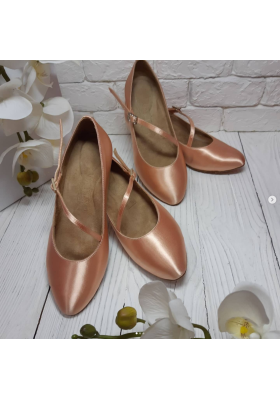

Galex - Emma - Tan-Satin - Heel - Slim 8cm
$238.00CAD

Galex - Emily - Heel - Slim 4-9 cm
$275.00CAD
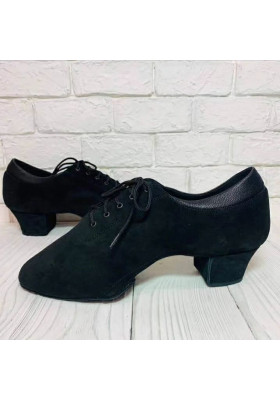
Galex - Black Nubuck - Heel 4cm
$250.00CAD
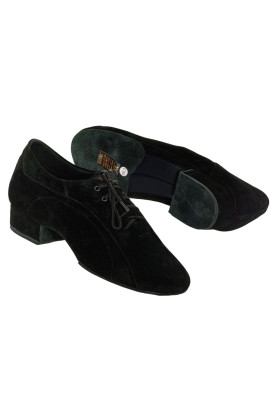
Galex - Black Nubuck - Heel 2cm
$250.00CAD

IDS - AMERICAN FLEX - TAN SATIN - 2" heel
$254.00CAD
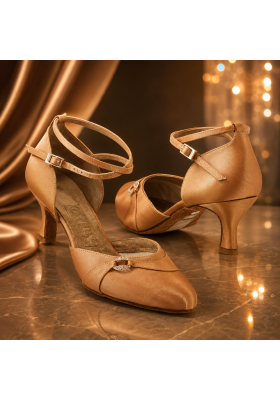
Galex - American Smooth
$250.00CAD
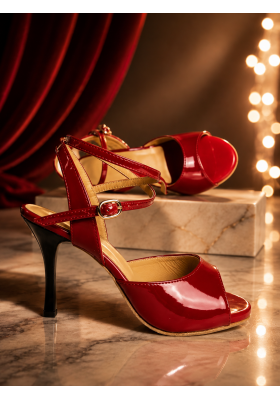
Galex - Tango Dance Shoes
$325.00CAD