


- 07 August, 2026
- 212
- 0
-870x563.webp "Women's Social Dance Shoes That Feel Right")
A beautiful shoe that pinches after one song is not a dance shoe you will wear often. The right pair supports your balance, lets you point and articulate your feet, and still looks polished when the music starts. Whether you search for Women's Social Dance Shoes, ladies' women's social dance shoes, Social Dance Shoes, or simply Social Shoes, the goal is the same: find footwear that keeps you comfortable and confident through a full evening of dancing.
Social dance shoes are designed for movement rather than standing still. They are usually lighter and more flexible than regular dress shoes, with soles that allow you to turn without catching on the floor. For dancers attending ballroom socials, Latin nights, salsa events, bachata classes, or practice sessions, that difference can protect your knees, improve your control, and make learning more enjoyable.
What Makes Women's Social Dance Shoes Different?
A proper social dance shoe balances stability with freedom. The upper should hold the foot securely, particularly through the heel and instep, while the sole should permit a controlled pivot. Many ladies' social shoes use a suede or dance-specific sole because it creates the right amount of glide on a clean wood dance floor.
That sole is one of the main reasons regular shoes can feel frustrating on the dance floor. A rubber sole may grip too aggressively, making turns feel stuck and placing extra torque on the knees. A hard leather sole may slide too much for a newer dancer, depending on the surface. Dance soles are made for the small, repeated rotations used in ballroom, Latin, and social partner dancing.
Social styles also tend to have more flexible construction through the forefoot. This matters when you rise, lower, point your toe, or transfer weight quickly. You do not need a competition-level shoe for every beginner class, but a purpose-made social shoe is often a meaningful upgrade from a fashion pump, sandal, or street shoe.
Choose the Heel for Your Real Dance Life
Heel height changes posture, balance, and the way a shoe feels after several hours. It is not simply a style decision. The best heel is the one you can place confidently with good alignment, even when you are tired or dancing with a new partner.
For many beginners and returning dancers, a low or moderate heel is the most practical choice. It offers a polished ballroom look while giving the foot a stable base. A flared heel can feel especially secure because it provides a wider contact point with the floor. This is a sensible option for social ballroom, American smooth, teaching, and dancers who want support without a completely flat shoe.
Higher heels can create a longer leg line and a more pronounced Latin look, but they ask more of the ankles, calves, and balance. They may suit experienced dancers who are accustomed to them, especially for salsa, bachata, Latin practice, or an evening where style is a priority. If you are building confidence, there is no advantage in choosing a heel that makes you hesitate on every turn.
A closed-toe court shoe is a versatile social choice for ballroom dancers and anyone who wants more toe protection in a busy room. Open-toe or sandal styles give the foot a lighter visual line and can work beautifully for Latin and club-based social dancing. The right choice depends on your preferred dances, comfort around other dancers, and how much coverage you like.
Fit Should Feel Secure, Not Restrictive
Dance shoes often fit differently from everyday shoes. Because the materials are designed to shape to the foot with wear, a new pair should feel close and supportive without causing sharp pressure, numbness, or toe pain. A shoe that feels loose at first rarely becomes more secure once you begin dancing.
Start with the heel. It should stay in place as you walk and rise onto the ball of the foot. Some movement is normal, but repeated slipping can make you grip with your toes, which leads to fatigue. Next, check the width across the forefoot. Your toes need room to lie naturally, especially in a closed style, but the shoe should not allow the foot to slide forward with every step.
Straps play an important role in ladies' Social Dance Shoes. An ankle strap helps anchor the shoe during turns, while a T-strap or crossed vamp can provide additional support over the instep. Adjustable buckles are useful, but adjustability does not solve every fit issue. If the shoe is too narrow, too long, or wrong for your foot shape, tightening the strap can create pressure without creating true stability.
Try a few dance movements when fitting: rise and lower, take a backward step, shift your weight side to side, and rotate gently through the ball of the foot. If possible, wear the hosiery or socks you expect to dance in. The goal is a secure fit that still allows your foot to work naturally.
Match Your Social Shoes to the Dance Floor
The floor and venue matter more than many dancers expect. Suede-bottom dance shoes perform best on clean indoor dance floors. They are not intended for sidewalks, parking lots, wet surfaces, or rough outdoor patios. Walking outside in them can damage the sole and bring grit onto the dance floor.
If your events regularly involve mixed surfaces, consider how you will travel to and from the venue. Bring a separate pair of outdoor shoes and change when you arrive. This simple habit extends the life of your Social Shoes and helps preserve their turning ability.
A sole brush is a useful part of shoe care for suede-bottom styles. Over time, the sole picks up dust and becomes smoother, which can make it unexpectedly slippery. Brushing restores texture and helps you maintain more consistent traction. How often you brush depends on the floor, but dancers who attend weekly socials often benefit from checking their soles before each outing.
For dance events on surfaces where suede is not practical, a dance sneaker or a shoe made with an appropriate street-friendly sole may be the better choice. The trade-off is that it may not offer the same elegant line or pivot response as a traditional ballroom shoe. Choosing the correct shoe for the venue is safer than trying to make one style work everywhere.
Social, Practice, Ballroom, or Latin: What Is the Difference?
These categories overlap, which is why shopping can feel confusing. Social shoes are often chosen for versatility and comfort across multiple dances. They may have a moderate heel, secure straps, and a classic look suitable for lessons, parties, and practice.
Practice or teaching shoes usually place even more emphasis on support and long-wear comfort. They can be an excellent choice for instructors, frequent class attendees, and dancers who spend many hours on their feet. Their styling may be simpler, but a practical shoe can be the pair you reach for most often.
Ballroom or standard shoes commonly favor a closed toe and a refined silhouette that works well for waltz, foxtrot, tango, and quickstep. Latin shoes are often more open and flexible, supporting the pointed footwork and sharper weight changes associated with cha-cha, rumba, samba, jive, salsa, and bachata. None of these boundaries are absolute. A versatile social court shoe can work across several dance styles, particularly while you are still discovering what you enjoy.
Details That Make a Pair Easier to Wear
The best shoe is not always the one with the most decoration. Look closely at the features that affect a full night of dancing: a stable heel shape, a supportive vamp, a cushioned insole, adjustable fastening, and an upper that suits your foot width and instep height. Satin, leather, mesh, and synthetic materials all feel different, so material preference is personal.
A neutral shade can coordinate with many practice outfits and social dance dresses. Black is often practical and polished, while tan or skin-tone styles can visually lengthen the leg. Sparkle and metallic finishes add personality for showcases and special events, but they should still meet the same comfort standard as an everyday pair.
If you are unsure where to begin, start with the dances you attend most, the heel height you can wear comfortably, and the floor surfaces you use. For local dancers, a personal shoe fitting at Dancewear Champions in Thornhill can be especially helpful when comparing widths, straps, and heel shapes. The right pair should make you think less about your feet and more about your next dance.
Tags Women's Social Dance Shoes, ladies' women's social dance shoes, Social Dance Shoes, or simply Social Shoes,
Related Products
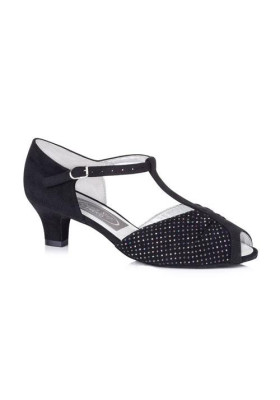

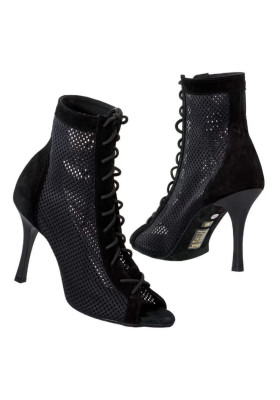
Galex - Victoria - Slim Heel
$275.00CAD

Galex - Emily - Heel - Slim 4-9 cm
$275.00CAD
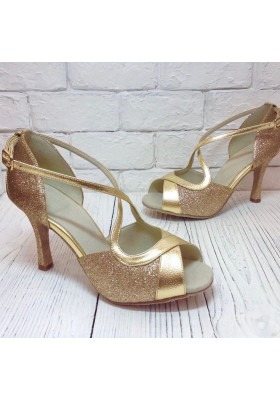
Galex - Gold - Heel - Slim 4-9 cm
$275.00CAD